The Alchemy of Modern Heritage: How Earthy Palettes, Curved Furniture, and Smart Innovation Craft Homes That Feel Alive
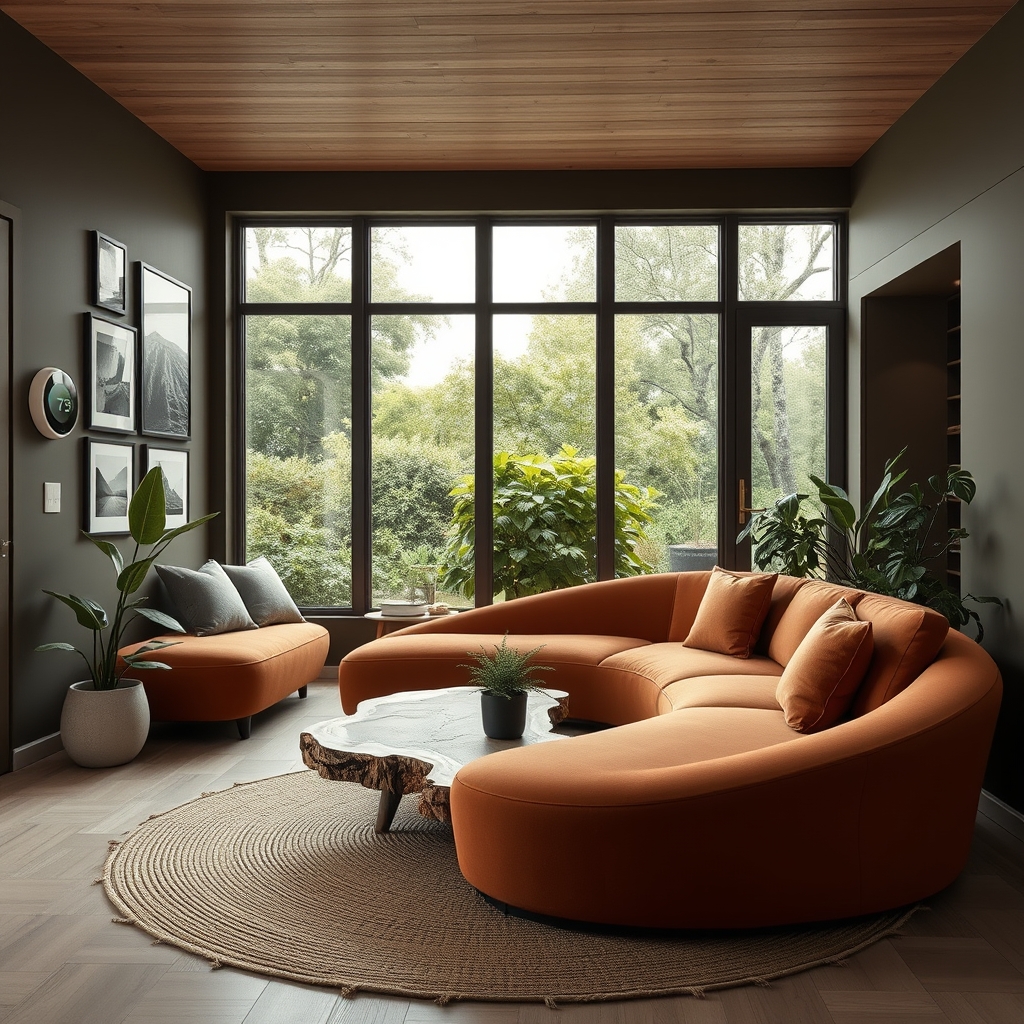
There’s a quiet revolution happening in the way we design our homes—one that blends the timeless allure of heritage with the effortless intelligence of modern innovation. It’s not about stark minimalism or cold futurism, but rather a celebration of warmth, texture, and fluidity. This is the alchemy of modern heritage, where earthy palettes, curved furniture, and smart innovation converge to create spaces that don’t just look beautiful but feel alive.
The Return of Earthy Palettes: Grounding Modern Spaces
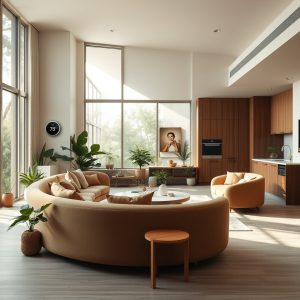
Gone are the days of sterile whites and clinical grays. Today’s interiors are embracing earthy palettes—think warm terracottas, deep ochres, muted olives, and soft clay tones. These hues don’t just add color; they infuse spaces with a sense of grounding, evoking the natural world in a way that feels both timeless and deeply contemporary. When paired with natural materials like wood, stone, and linen, earthy palettes create a backdrop that is as soothing as it is sophisticated.
But it’s not just about slapping on a coat of paint. The magic lies in how these tones are layered. A deep umber wall might serve as a dramatic anchor, while lighter, sandy tones in textiles and furnishings add depth and dimension. The result? A space that feels rich, lived-in, and endlessly inviting.
Curved Furniture: Softening the Edges of Modernity
If earthy palettes ground a space, curved furniture softens it. There’s something inherently human about organic shapes—they invite touch, movement, and connection. In a world where sharp angles and rigid lines have long dominated modern design, the resurgence of curved furniture feels like a breath of fresh air. Think rounded sofas, arched doorways, and sinuous coffee tables that seem to flow rather than sit.
This trend isn’t just about aesthetics; it’s about functionality. Curved furniture encourages fluid movement within a space, making rooms feel more dynamic and adaptable. A rounded sectional, for example, can transform a living area into a cozy gathering spot, while an arched bookshelf adds a sculptural element that draws the eye without overwhelming the senses. It’s a subtle nod to the past—think mid-century modern or even Art Nouveau—reimagined for today’s lifestyles.
Smart Innovation: The Invisible Thread of Modern Heritage
What truly elevates modern heritage from mere nostalgia is the integration of smart innovation. This isn’t about gadgets for gadgets’ sake, but rather technology that enhances the way we live without disrupting the aesthetic harmony of a space. Smart bidets, for instance, bring a touch of luxury and hygiene to bathrooms, while smart thermostats ensure comfort without the visual clutter of traditional controls.
Hidden pantries and multi-functional rooms are another example of how innovation can serve heritage. These solutions allow homeowners to enjoy the best of both worlds: the charm of a traditional home with the convenience of modern living. A hidden pantry, for example, keeps kitchen clutter out of sight while maintaining the clean lines of a heritage-inspired design. Similarly, a multi-functional room can adapt to changing needs—whether it’s a home office by day or a guest bedroom by night—without sacrificing style or comfort.
Biophilic Design: Bringing the Outside In
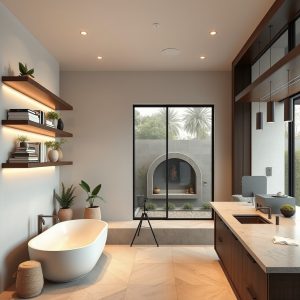
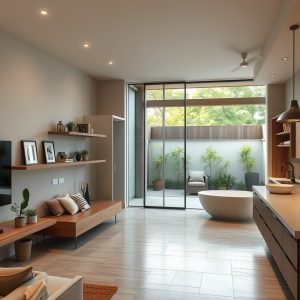
At the heart of modern heritage is a deep connection to nature, and biophilic design is the bridge that brings the outside in. This approach goes beyond adding a few houseplants; it’s about creating a seamless flow between indoor and outdoor spaces. Wooden ceilings, for example, can evoke the warmth of a forest canopy, while large windows frame views of the natural world like living art. Even textured surfaces—think rough-hewn stone or woven rattan—add tactile depth that engages the senses.
Biophilic design isn’t just about aesthetics, either. Studies have shown that incorporating natural elements into our homes can reduce stress, improve air quality, and even boost productivity. In a world where we spend so much time indoors, this connection to nature is more important than ever. It’s a reminder that our homes should be sanctuaries, not just shelters.
The Role of Sustainable Materials
No discussion of modern heritage would be complete without mentioning sustainability. Today’s homeowners are increasingly conscious of the environmental impact of their choices, and this is reflected in the materials they select. Reclaimed wood, recycled metals, and natural fibers like jute and hemp are not only eco-friendly but also add character and authenticity to a space. These materials tell a story—of time, of craftsmanship, of a commitment to preserving the planet for future generations.
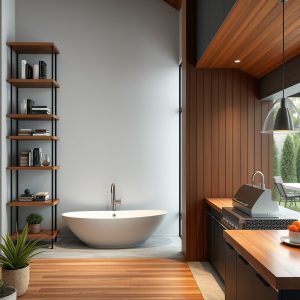
Aged metals, for example, bring a sense of history and patina to modern interiors. Whether it’s a brass light fixture or a wrought-iron railing, these elements add warmth and texture while standing the test of time. Similarly, wooden ceilings made from reclaimed barn wood or sustainably sourced timber can transform a room, adding a rustic yet refined touch that feels both timeless and contemporary.
The Art of Kitchen Zoning: Where Function Meets Flow
The kitchen has long been the heart of the home, and modern heritage is redefining how we use this space. Kitchen zoning—dividing the kitchen into distinct areas for cooking, prepping, dining, and socializing—creates a sense of flow and functionality that feels effortless. This approach isn’t about rigid boundaries but rather about creating intuitive pathways that make cooking and entertaining a joy rather than a chore.
In a heritage-inspired kitchen, this might mean a large island that doubles as a prep station and a casual dining spot, or a cozy nook tucked into a bay window for morning coffee. Earthy tones in cabinetry and backsplashes tie the space together, while smart appliances—like induction cooktops or built-in coffee makers—add a touch of modern convenience. The result is a kitchen that feels both timeless and tailored to the way we live today.
There’s something deeply satisfying about a home that feels both rooted in the past and perfectly attuned to the present. It’s not about chasing trends but about creating a space that reflects who we are and how we want to live. When earthy palettes, curved furniture, and smart innovation come together, they don’t just decorate a house—they transform it into a living, breathing sanctuary that evolves with us, one thoughtful detail at a time.