The Modern Home as a Sanctuary of Fluid Abundance: How Biophilic Design, Multi-Functional Rooms, and Earthy Palettes Craft a Life of Effortless Harmony
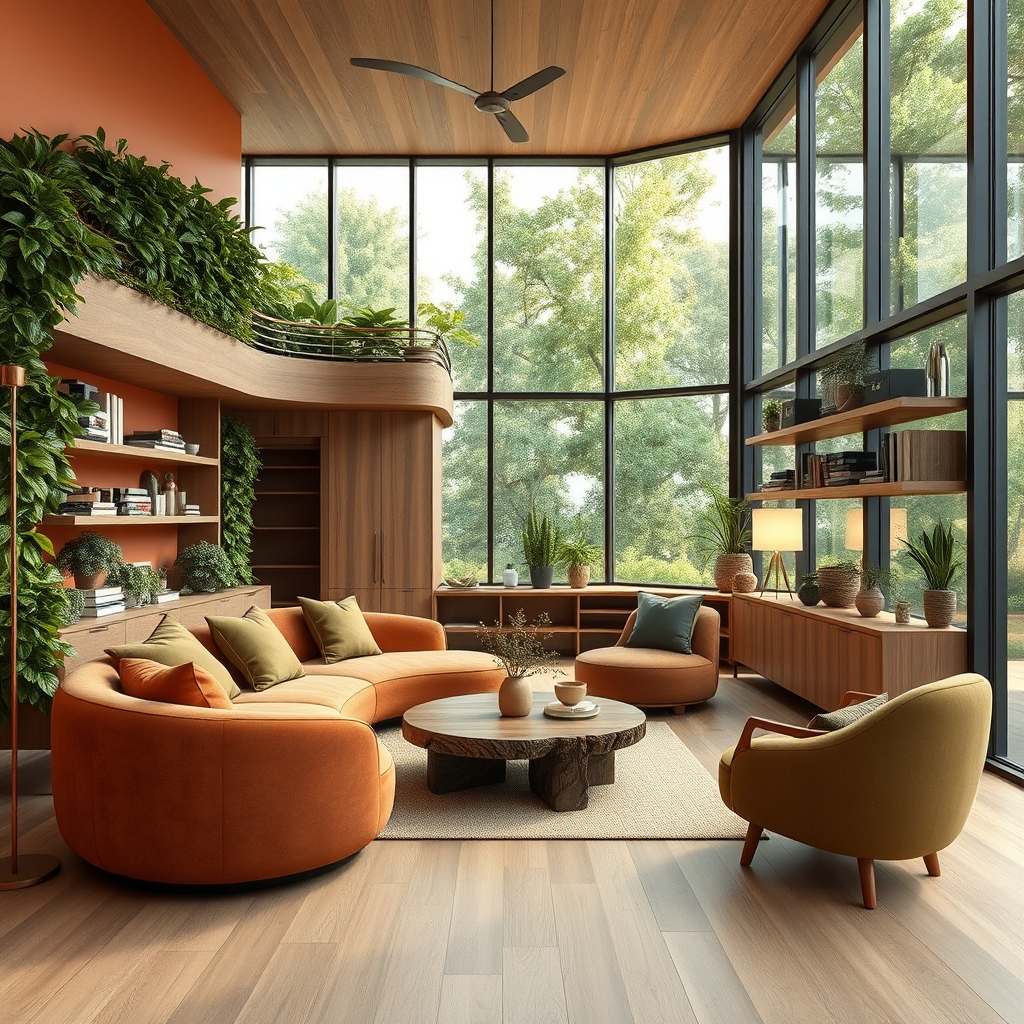
In the ever-evolving landscape of modern living, the home has transformed from a static shelter into a dynamic ecosystem that adapts to our needs, emotions, and aspirations. The boundaries between functionality and aesthetics have blurred, giving rise to spaces that are not just lived in but experienced. At the heart of this transformation lies a deep reverence for nature, a celebration of versatility, and a palette that grounds us in warmth and authenticity. Together, these elements craft a sanctuary where fluid abundance isn’t just a concept—it’s a way of life.
The Whisper of Nature in Every Corner
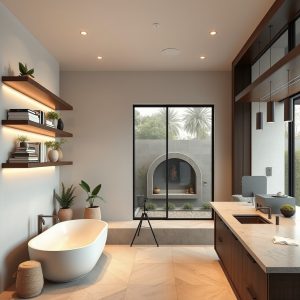
Biophilic design has emerged as a cornerstone of contemporary interiors, seamlessly bridging the gap between the built environment and the natural world. It’s more than just adding a few houseplants or large windows to invite sunlight; it’s about creating a sensory connection to nature that nurtures the soul. Think of living walls that purify the air while adding a lush, verdant backdrop to a living room, or the use of natural materials like reclaimed wood, stone, and linen that bring texture and tactility to a space. Even the strategic placement of water features—whether a small indoor fountain or a sleek, modern bathtub—can introduce the soothing sounds of nature into the home.
This design philosophy extends beyond aesthetics. Studies have shown that biophilic elements can reduce stress, enhance creativity, and improve overall well-being. In a world where urban living often disconnects us from nature, these design choices act as a gentle reminder of the earth’s rhythms, fostering a sense of calm and balance. The result is a home that doesn’t just look beautiful but feels alive, breathing with the same vitality as the landscapes that inspire it.
The Art of Multi-Functional Living
As our lives become increasingly dynamic, so too must the spaces we inhabit. The modern home is no longer defined by rigid room divisions but by fluidity and adaptability. Multi-functional rooms have become a necessity, especially in urban settings where square footage is at a premium. A home office that transforms into a guest bedroom with the pull of a Murphy bed, or a kitchen island that doubles as a dining table and workspace, exemplifies this shift toward versatility. Even storage solutions have evolved, with hidden pantries and floating shelves offering both practicality and a clean, uncluttered aesthetic.
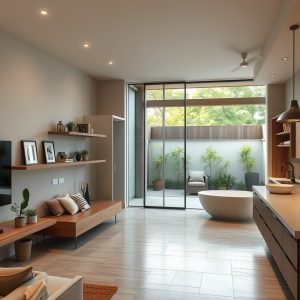
This approach to design isn’t just about saving space—it’s about enhancing the way we live. Rooms that serve multiple purposes encourage us to rethink how we interact with our environment, fostering creativity and efficiency. For example, a living room with modular furniture can easily transition from a cozy movie night setup to a vibrant entertainment space for hosting friends. Similarly, a spa-like bathroom with a smart bidet and heated floors can double as a personal retreat for relaxation and self-care. The key lies in designing spaces that evolve with us, rather than confining us to a single function.
Earthy Palettes: The Foundation of Fluid Abundance
Colour has the power to shape our emotions and perceptions, and in modern interiors, earthy palettes have become the go-to choice for creating spaces that feel both grounding and expansive. Shades of terracotta, warm ochre, deep olive, and soft clay evoke the natural world, while their muted tones allow for versatility in layering textures and materials. Unlike stark whites or bold, high-contrast hues, earthy palettes create a sense of warmth and intimacy, making a space feel inviting rather than imposing.
One of the most compelling trends within this palette is colour drenching, where a single hue is used across walls, ceilings, and even furniture to create a cohesive, immersive experience. This technique can make a room feel larger and more harmonious, as the eye moves seamlessly from one surface to another. When paired with mixed wood tones—such as light oak floors against walnut cabinetry—the result is a rich, layered look that adds depth and character to a space. Aged metals, like brass or bronze, can further enhance this aesthetic, introducing a touch of timeless elegance that complements the organic feel of the palette.
Curves and Softness: The Subtle Power of Fluidity
In a world that often feels sharp and angular, curved furniture has emerged as a counterbalance, softening the edges of modern design. From rounded sofas and arched doorways to sculptural lighting and organically shaped coffee tables, these elements introduce a sense of movement and flow into a space. Curves are inherently inviting—they draw us in, encouraging relaxation and connection. They also create a visual rhythm that guides the eye through a room, making it feel more dynamic and cohesive.
This trend is particularly effective in open-concept layouts, where curved furniture can help define zones without the need for physical barriers. For example, a curved sectional can anchor a living area, while a round dining table fosters intimacy and conversation. When combined with earthy palettes and biophilic elements, curved furniture enhances the overall sense of fluidity, making a space feel like a natural extension of the people who inhabit it.
Technology as a Silent Partner
While the focus on nature and organic materials might suggest a rejection of technology, the opposite is true. Modern homes are embracing smart innovations that enhance comfort, convenience, and sustainability—without compromising on aesthetics. Smart bidets, for instance, offer a level of hygiene and customization that traditional fixtures can’t match, while smart thermostats learn our preferences and adjust temperatures to optimize energy efficiency. These technologies are seamlessly integrated into the home, often hidden from view or designed to blend in with the overall aesthetic.
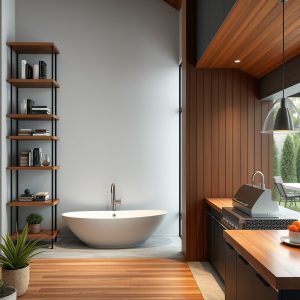
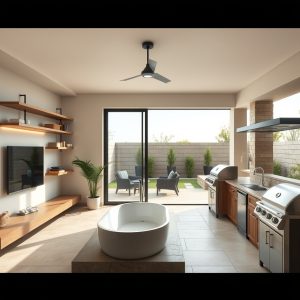
Outdoor kitchens are another example of how technology is enhancing the way we live. Equipped with weather-resistant appliances, built-in grills, and even smart refrigeration, these spaces extend the functionality of the home into the natural environment. They blur the line between indoor and outdoor living, creating a seamless transition that encourages us to spend more time outside. When paired with biophilic design elements like wooden ceilings or textured stone surfaces, outdoor kitchens become a true extension of the home’s ethos—one that celebrates both innovation and nature.
The modern home is no longer a static backdrop to our lives but a living, breathing entity that adapts to our needs and reflects our values. By embracing biophilic design, multi-functional spaces, earthy palettes, and smart technology, we create environments that are not just beautiful but deeply meaningful. These elements work in harmony to craft a life of fluid abundance, where every detail is thoughtfully considered, and every moment feels effortlessly aligned with the rhythm of nature and the demands of contemporary living. In this sanctuary, we don’t just exist—we thrive, connected to the world around us and to the endless possibilities that lie within our own four walls.