The Modern Home as a Sanctuary of Rhythmic Simplicity: How Textured Surfaces, Smart Zoning, and Earthy Palettes Craft a Life in Motion
There’s a quiet revolution unfolding in the way we design our homes—one that embraces the fluidity of modern life while grounding itself in the timeless warmth of heritage. It’s not about stark minimalism or ostentatious luxury, but rather a harmonious blend of rhythm and simplicity, where every element feels intentional, every space breathes, and every detail tells a story. This is the essence of a home that moves with you, adapting to your needs while nurturing your soul.
The Poetry of Textured Surfaces
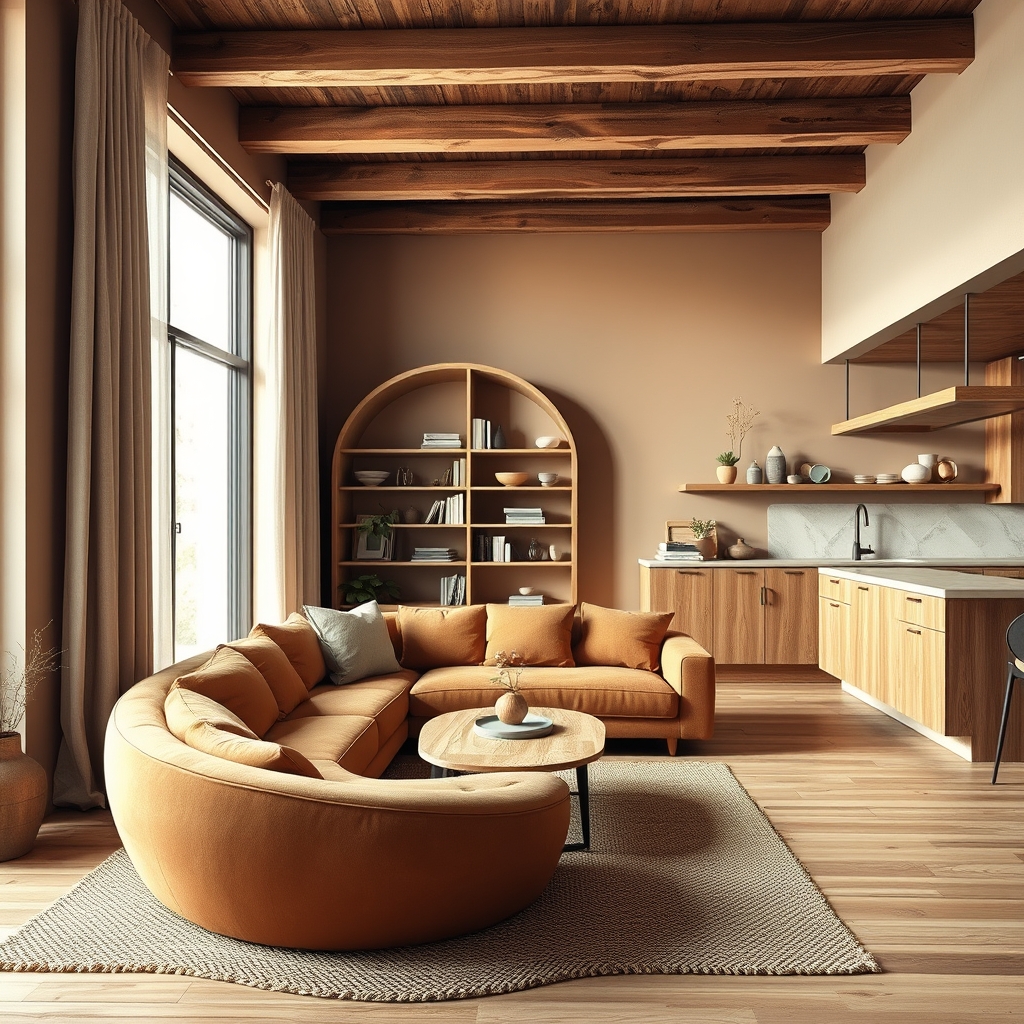
Texture is the unsung hero of modern interiors, adding depth and character to spaces that might otherwise feel flat. Imagine the tactile contrast of a rough-hewn wooden ceiling against the smooth finish of a curved sofa, or the way a matte plaster wall absorbs light while a brushed metal fixture reflects it. These layers create a sensory experience that goes beyond visual appeal, inviting touch and evoking emotion. In a world dominated by sleek surfaces and digital interfaces, textured materials—whether it’s linen, rattan, or hand-scraped wood—bring a sense of authenticity and warmth to the home.
Consider the rise of biophilic design, where natural textures like stone, jute, and live-edge wood are seamlessly integrated into living spaces. These elements don’t just decorate; they connect us to the natural world, fostering a sense of calm and well-being. A textured wall in an earthy clay hue can transform a bland hallway into a gallery of organic beauty, while a woven rug underfoot adds softness and warmth to a room bathed in natural light.
The Art of Smart Zoning
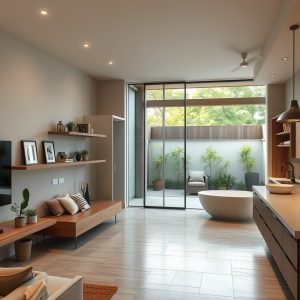
The modern home is no longer a series of rigid, single-purpose rooms. Instead, it’s a dynamic landscape where spaces flow into one another, adapting to the rhythms of daily life. Kitchen zoning, for instance, allows for distinct areas within an open-concept layout—prep stations, dining nooks, and lounge spaces—each with its own purpose yet all contributing to a cohesive whole. This approach isn’t just practical; it’s poetic, reflecting the way we live today: fluid, interconnected, and ever-evolving.
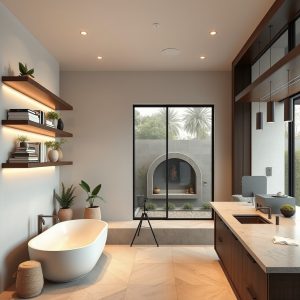
Take the concept of multi-functional rooms, where a home office doubles as a guest bedroom, or a living room seamlessly transitions into an entertainment hub. The key to making these spaces work lies in thoughtful zoning—using furniture, lighting, and even color to define areas without closing them off. A floating shelf can act as a subtle divider, while a statement rug can anchor a seating area within a larger room. The result is a home that feels expansive yet intimate, open yet purposeful.
Earthy Palettes: The Foundation of Modern Harmony
Color is the heartbeat of a home, and in modern design, earthy palettes reign supreme. These hues—think warm terracotta, muted sage, deep ochre, and soft slate—create a sense of grounding, evoking the natural world while providing a versatile backdrop for any style. Unlike the stark whites or bold primary colors of decades past, earthy tones offer a soothing, timeless appeal that works in both rustic and contemporary settings.
One of the most compelling trends within this palette is colour drenching, where a single hue is used across walls, furniture, and decor to create a cohesive, immersive experience. This technique isn’t about overwhelming the senses; it’s about crafting a sanctuary where color feels enveloping and intentional. Picture a living room drenched in a soft, warm clay tone, with curved furniture in complementary wood finishes and textured throws adding depth. The effect is one of effortless elegance, a space that feels both lived-in and luxurious.
The Role of Curved Furniture in Fluid Living
Gone are the days when sharp angles dominated interior design. Today, curved furniture is having a moment, and for good reason. These soft, organic shapes bring a sense of movement and flow to a space, breaking up the rigidity of straight lines and creating a more inviting atmosphere. A rounded sofa, an arched bookshelf, or a circular dining table doesn’t just look beautiful—it feels welcoming, encouraging conversation and connection.
Curved furniture also plays a practical role in modern homes. In smaller spaces, rounded edges can make a room feel more open and less cluttered, while in larger areas, they add a sense of intimacy. Pair these pieces with mixed wood tones—light oak, walnut, and teak, for example—and you have a space that feels layered and dynamic, where every piece has its own story to tell.
Sustainable Materials: Crafting a Future We Can Feel Good About
As we become more conscious of our environmental impact, sustainable materials are taking center stage in home design. From reclaimed wood and bamboo to recycled metals and low-VOC paints, these choices allow us to create beautiful spaces without compromising the planet. But sustainability isn’t just about the materials we use; it’s about the longevity of our designs. A home built with quality, eco-friendly materials is one that will stand the test of time, reducing the need for frequent renovations and minimizing waste.
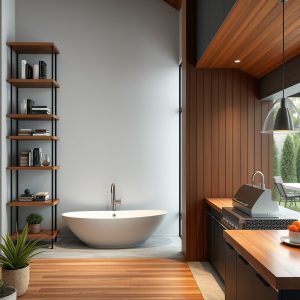
Consider the beauty of a wooden ceiling made from reclaimed barn wood, its weathered surface telling a story of its past life. Or the elegance of a countertop crafted from recycled glass, its speckled surface catching the light in unexpected ways. These materials don’t just look good; they feel good, too, knowing that your home is part of a larger movement toward mindful living.
The Subtle Intelligence of Smart Home Integration
Technology has become an invisible yet indispensable part of modern living, and nowhere is this more evident than in the rise of smart home innovations. From smart bidets that offer personalized comfort to smart thermostats that learn your preferences and adjust accordingly, these devices are designed to enhance our lives without demanding our attention. The best smart home features are those that blend seamlessly into the background, like a hidden pantry that reveals itself with the touch of a button or a lighting system that adjusts to the time of day.
But technology isn’t just about convenience; it’s about creating a home that responds to your needs. Imagine a bathroom where the spa-like shower preheats to your preferred temperature before you step in, or a kitchen where the lighting dims automatically as the evening progresses. These small touches add up to a home that feels intuitive, almost alive, anticipating your needs before you even articulate them.
The modern home is more than a collection of trends; it’s a reflection of how we want to live. It’s a space that embraces the fluidity of contemporary life while honoring the timeless principles of comfort, beauty, and connection. Whether through the tactile allure of textured surfaces, the rhythmic simplicity of smart zoning, or the grounding presence of earthy palettes, the home of today is one that moves with us, adapts to us, and ultimately, feels like us. It’s not about perfection, but about creating a sanctuary that resonates with the way we live, love, and grow.