
The Urban Canopy: How Native Plant Landscaping and Microclimate Cooling Zones Are Transforming City Heat Islands
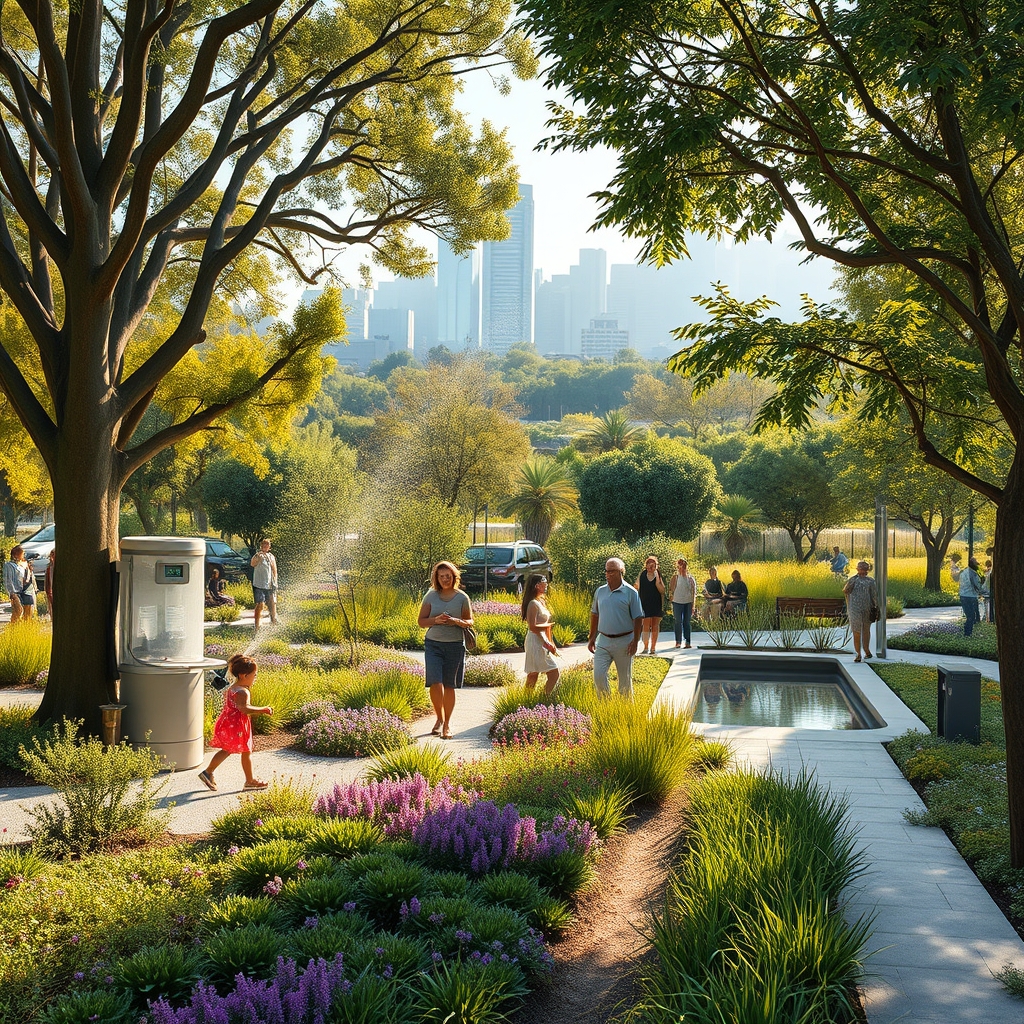
Cities are often synonymous with concrete jungles, where towering buildings and asphalt roads absorb and radiate heat, creating urban heat islands that elevate temperatures by several degrees compared to surrounding rural areas. This phenomenon not only makes cities uncomfortable during the summer months but also exacerbates energy consumption, air pollution, and public health risks. However, a quiet revolution is underway—one that leverages the power of nature to cool urban environments and foster resilience. At the heart of this transformation are native plant landscaping and microclimate cooling zones, two green infrastructure strategies that are redefining how cities combat heat and enhance livability.
The Science Behind Urban Heat Islands
Urban heat islands occur when natural land cover is replaced with surfaces that absorb and retain heat, such as roads, buildings, and parking lots. These materials have high thermal mass, meaning they absorb sunlight during the day and release it slowly at night, keeping urban areas warmer. Additionally, the lack of vegetation reduces evapotranspiration, a natural cooling process where plants release water vapor into the air. The result is a city that feels like an oven, particularly in densely populated neighborhoods with limited green space.
Research has shown that urban heat islands can increase local temperatures by as much as 5 to 7 degrees Fahrenheit during the day and up to 22 degrees at night. This not only drives up energy demand for air conditioning but also contributes to heat-related illnesses, such as heatstroke and dehydration, particularly among vulnerable populations like the elderly and low-income communities. Addressing this challenge requires a shift in how cities are designed, with a focus on integrating nature-based solutions that mimic the cooling effects of natural ecosystems.
Native Plant Landscaping: A Root of Resilience
One of the most effective ways to mitigate urban heat is through native plant landscaping. Unlike traditional ornamental plants, native species are adapted to the local climate and soil conditions, requiring less water, fertilizer, and maintenance. They also provide critical habitat for pollinators, birds, and other wildlife, fostering biodiversity in urban areas. But perhaps most importantly, native plants play a key role in cooling cities through shade and evapotranspiration.
For example, trees like the American sycamore or the coast live oak can reduce surface temperatures by up to 45 degrees Fahrenheit through their canopies, while ground covers like creeping thyme or native grasses help retain soil moisture and lower ambient temperatures. Cities like Portland, Oregon, and Melbourne, Australia, have embraced native plant landscaping as part of their urban greening strategies, transforming barren medians, rooftops, and vacant lots into lush, cooling oases. These efforts not only reduce heat but also improve air quality, sequester carbon, and create visually appealing spaces that enhance mental well-being.
The Role of Green Corridors
Beyond individual plants, native landscaping can be integrated into larger wildlife conservation corridors that connect fragmented green spaces across the city. These corridors act as ecological highways, allowing species to move, adapt, and thrive in urban environments. They also serve as natural cooling pathways, channeling cooler air from parks and water bodies into densely built areas. In Singapore, the