The Blueprint of Tomorrow: How Prefabricated Modules and High-Performance Design Are Reshaping Modern Living
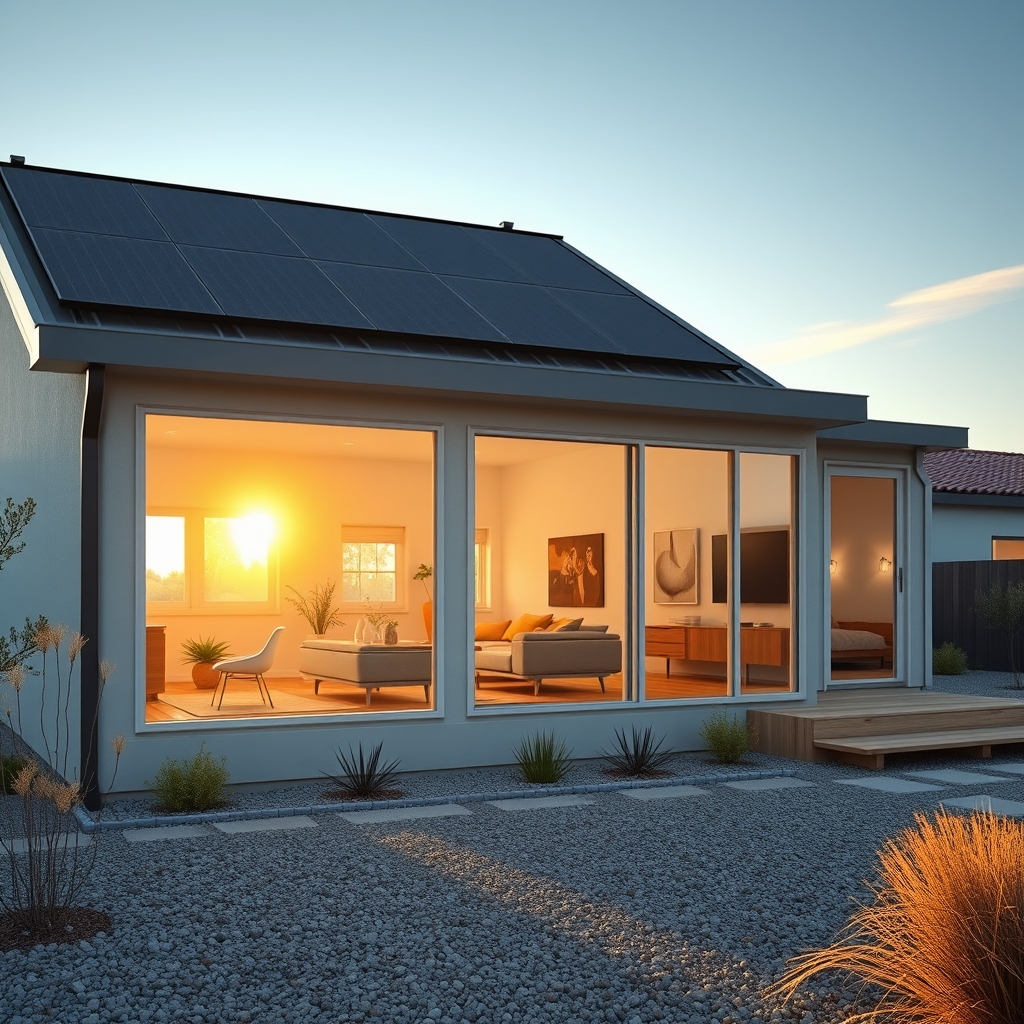
The modern home is no longer just a shelter; it’s a dynamic ecosystem designed to adapt, sustain, and inspire. As environmental concerns and lifestyle demands evolve, so too does the way we build and inhabit our spaces. At the intersection of innovation and practicality, a new era of home design is emerging—one that prioritizes efficiency, flexibility, and well-being without sacrificing aesthetics or comfort. This shift is not just about keeping up with trends; it’s about reimagining what a home can be.
The Rise of Prefabricated Modules: Speed Meets Sustainability
Prefabricated modules are revolutionizing the construction industry by offering a faster, more sustainable alternative to traditional building methods. These pre-built sections, manufactured off-site in controlled environments, reduce waste, minimize construction time, and lower costs. Unlike the cookie-cutter homes of the past, today’s prefabricated modules are customizable, allowing homeowners to tailor layouts, materials, and finishes to their unique needs. The precision of factory assembly also ensures higher quality control, with fewer errors and less material waste compared to on-site construction.
Beyond efficiency, prefabricated modules align with the growing demand for sustainable living. Many manufacturers use eco-friendly materials, such as reclaimed wood, recycled steel, and low-VOC (volatile organic compound) finishes, to create homes that are as kind to the planet as they are to their inhabitants. Additionally, the reduced construction timeline means fewer emissions from heavy machinery and transportation, further shrinking the carbon footprint of these homes.
High-Performance Insulation: The Unsung Hero of Energy Efficiency
A home’s ability to maintain comfortable temperatures year-round hinges on its insulation. High-performance insulation goes beyond the basics, using advanced materials like aerogel, spray foam, or rigid foam boards to create an airtight thermal barrier. These materials not only prevent heat loss in the winter and heat gain in the summer but also improve indoor air quality by reducing drafts and moisture infiltration. The result is a home that requires less energy to heat and cool, slashing utility bills and reducing reliance on fossil fuels.
One of the most compelling aspects of high-performance insulation is its role in achieving Passive House standards. These rigorous benchmarks prioritize energy efficiency, airtightness, and thermal comfort, often resulting in homes that use up to 90% less energy for heating and cooling than conventional buildings. When paired with other sustainable features, such as solar roof integration or energy recovery ventilators, high-performance insulation becomes a cornerstone of net-zero living.
Radiant Floor Heating: Comfort Meets Efficiency
Radiant floor heating is a game-changer for homeowners seeking a more comfortable and energy-efficient way to heat their spaces. Unlike forced-air systems, which can create uneven temperatures and circulate dust and allergens, radiant heating delivers warmth directly from the floor, creating a consistent and gentle heat that rises naturally. This method not only eliminates cold spots but also operates silently, enhancing the overall ambiance of the home.
From an efficiency standpoint, radiant floor heating is a standout. It operates at lower temperatures than traditional heating systems, reducing energy consumption and costs. When powered by renewable energy sources, such as solar panels, it becomes an even more sustainable choice. Additionally, radiant heating is compatible with a variety of flooring materials, including tile, concrete, and engineered wood, making it a versatile option for any home design.
Designing for Multi-Generational Living
As families evolve, so do their housing needs. Multi-generational layouts are gaining popularity as a way to accommodate aging parents, adult children, or extended family members while maintaining privacy and independence. These designs often feature separate living suites with private entrances, kitchenettes, and accessible bathrooms, allowing multiple generations to coexist harmoniously under one roof. Universal design principles, such as wider doorways, step-free showers, and lever-style door handles, ensure that these spaces are functional and comfortable for people of all ages and abilities.
The benefits of multi-generational living extend beyond practicality. Shared living spaces foster stronger family bonds, reduce isolation for older adults, and provide financial advantages by splitting housing costs. When combined with sustainable features like drought-tolerant landscaping or rainwater harvesting systems, these homes become not just a place to live, but a model of resilience and adaptability for the future.
Home Automation Hubs: The Brain of the Modern Home
In an era where technology permeates every aspect of our lives, home automation hubs are becoming the central nervous system of modern residences. These systems integrate smart devices—such as thermostats, lighting, security cameras, and appliances—into a single, user-friendly interface, allowing homeowners to control their environment with ease. Whether adjusting the temperature from a smartphone or setting up automated lighting schedules, home automation hubs enhance convenience, security, and energy efficiency.
The true power of home automation lies in its ability to learn and adapt. Advanced systems use artificial intelligence to analyze usage patterns and optimize energy consumption, reducing waste and lowering utility bills. For example, smart thermostats can adjust heating and cooling based on occupancy, while automated blinds can regulate natural light to minimize energy use. When paired with renewable energy sources, such as solar roof integration, home automation hubs can even help homeowners achieve net-zero energy goals.
Healthy Building Materials: Prioritizing Well-Being
The materials used in home construction have a profound impact on indoor air quality and overall health. Healthy building materials, such as bamboo, cork, and reclaimed wood, are not only sustainable but also free from harmful chemicals like formaldehyde and VOCs. These materials contribute to a healthier indoor environment by reducing allergens, improving air circulation, and minimizing off-gassing, which can cause respiratory issues and other health problems.
In addition to natural materials, innovations like acoustic insulation are enhancing the comfort and well-being of modern homes. Acoustic insulation reduces noise pollution from outside sources, creating a quieter, more peaceful living environment. This is particularly valuable in urban areas or homes with open floor plans, where sound can easily travel. By prioritizing materials that support both physical and mental health, homeowners can create spaces that nurture well-being as much as they do sustainability.
The homes of tomorrow are being built today, not just with bricks and mortar, but with vision, intention, and a deep commitment to the future. They are spaces that adapt to our needs, minimize our impact on the planet, and enhance our quality of life in ways we are only beginning to understand. As technology and design continue to evolve, the possibilities for what a home can achieve are limitless—ushering in an era where living well and living sustainably are one and the same.