
The Quiet Revolution: How Inclusive Public Spaces and Decentralized Energy Are Crafting the Cities of Tomorrow
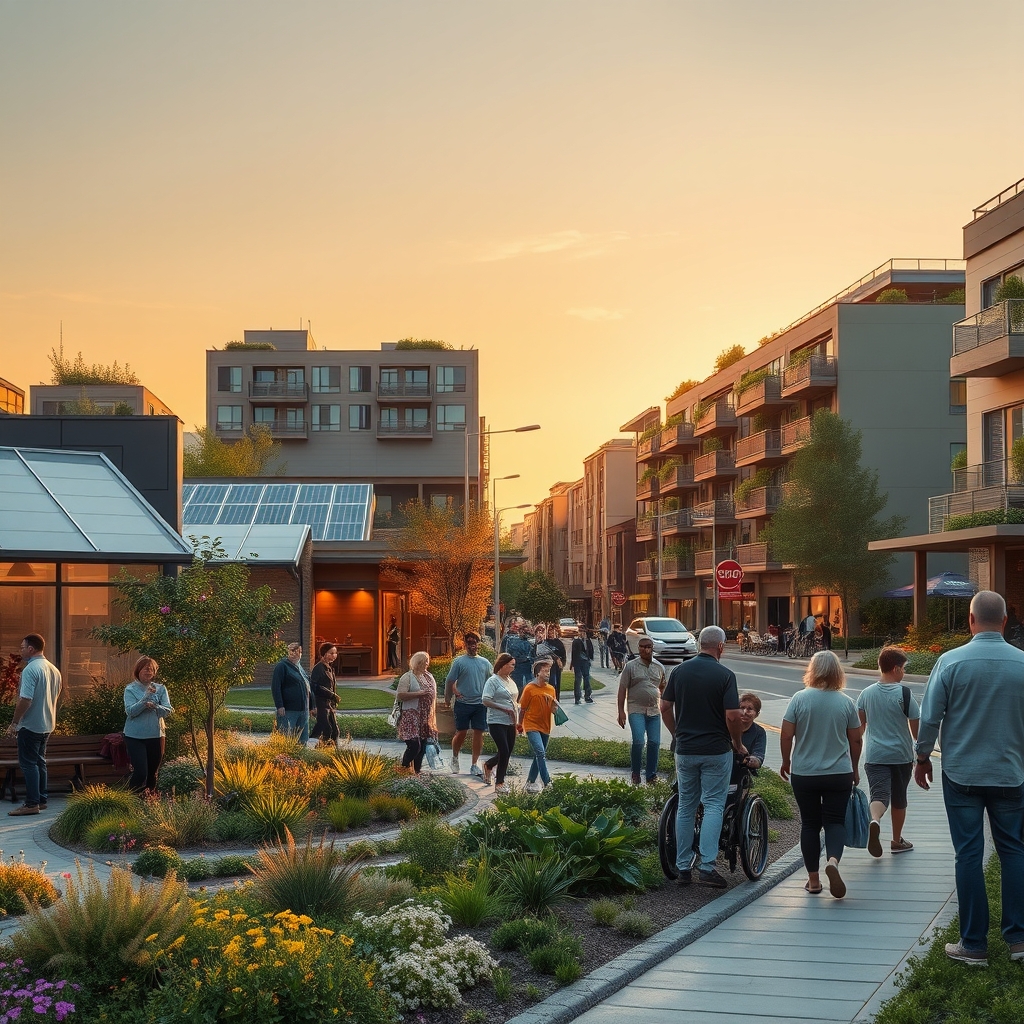
Cities are no longer just concrete jungles; they are evolving into dynamic ecosystems where sustainability and inclusivity intersect. The transformation is subtle yet profound, reshaping how we live, move, and interact with our urban environments. At the heart of this change lies a commitment to reimagining public spaces—not just as areas to pass through, but as vibrant hubs that foster community, resilience, and environmental stewardship. This quiet revolution is being driven by innovative solutions like decentralized energy grids, inclusive public spaces, and eco-friendly infrastructure, all working in harmony to create cities that are not only greener but also more equitable.
The Power of Inclusive Public Spaces
Inclusive public spaces are the cornerstone of thriving urban communities. These are areas designed to be accessible, welcoming, and functional for people of all ages, abilities, and backgrounds. Unlike traditional parks or plazas, which may cater to a narrow demographic, inclusive spaces prioritize diversity in their design and programming. For example, community pocket parks in densely populated neighborhoods offer green relief while doubling as social gathering spots. These small but impactful spaces often feature native plant landscaping, which supports local biodiversity and reduces the need for water-intensive maintenance.
Another key aspect of inclusivity is ensuring that public spaces are safe and comfortable for everyone. This means integrating features like ramps, tactile pathways, and shaded seating areas to accommodate individuals with disabilities, parents with strollers, and elderly residents. Smart street lighting plays a dual role here—enhancing safety while also reducing energy consumption through motion sensors and solar-powered systems. When public spaces are designed with inclusivity in mind, they become more than just physical locations; they become the beating heart of a community, fostering connections and a sense of belonging.
Decentralized Energy: A New Paradigm for Urban Resilience
Traditional energy grids are centralized, often relying on distant power plants that transmit electricity over long distances. This model is not only inefficient but also vulnerable to disruptions. Decentralized energy grids, on the other hand, bring power generation closer to where it’s needed, often leveraging renewable sources like solar, wind, and even kinetic energy from pedestrian movement. Solar-powered commons, for instance, are shared spaces equipped with photovoltaic panels that generate clean energy for nearby buildings, reducing reliance on fossil fuels and lowering utility costs for residents.
One of the most exciting applications of decentralized energy is in microgrids—localized energy systems that can operate independently or in conjunction with the main grid. These microgrids are particularly valuable in urban areas prone to extreme weather events, as they can continue providing power even when the central grid fails. For example, a neighborhood with a solar-powered microgrid and battery storage can maintain electricity during a blackout, ensuring that critical services like hospitals, schools, and community centers remain operational. This level of resilience is not just a technical achievement; it’s a lifeline for communities, particularly those in underserved areas.
Integrating Green Infrastructure for a Healthier Urban Environment
Green infrastructure is another critical component of this urban transformation. Unlike traditional gray infrastructure, which relies on pipes and concrete, green infrastructure uses natural systems to manage water, reduce heat, and improve air quality. Permeable pavement, for example, allows rainwater to seep into the ground rather than running off into storm drains, reducing the risk of flooding and replenishing groundwater supplies. Rain gardens, another form of green infrastructure, are planted depressions that capture and filter stormwater, removing pollutants before they enter local waterways.
Native plant landscaping is also gaining traction as cities recognize the benefits of using indigenous species in their green spaces. These plants are adapted to the local climate and soil conditions, requiring less water and maintenance than non-native species. They also provide habitat for local wildlife, supporting urban biodiversity. When combined with wildlife conservation corridors—strips of green space that connect larger natural areas—these landscapes create a network that allows animals to move safely through urban environments, reducing the fragmentation of habitats caused by development.
Designing for People, Not Cars
The shift toward walkable neighborhoods and bicycle transit lanes is redefining urban mobility. Cities are increasingly prioritizing people over cars, creating streetscapes that encourage walking, cycling, and public transit use. Traffic calming zones, which use design elements like speed bumps, narrowed lanes, and raised crosswalks, help reduce vehicle speeds and improve safety for pedestrians and cyclists. These measures not only make streets safer but also create more pleasant environments for social interaction and commerce.
Bicycle transit lanes, in particular, are becoming a staple of sustainable urban design. These dedicated lanes provide a safe and efficient way for cyclists to navigate the city, reducing traffic congestion and lowering carbon emissions. When paired with shared co-working spaces and neighborhood amenities, these lanes make it easier for people to live car-free, further reducing the environmental impact of urban living. The result is a city that is not only more sustainable but also more livable, with cleaner air, less noise, and more opportunities for active lifestyles.
The Role of Community in Shaping Sustainable Cities
No urban transformation is complete without the active participation of the community. Neighborhood composting centers, for example, empower residents to reduce waste and create nutrient-rich soil for local gardens. These centers not only divert organic waste from landfills but also foster a sense of collective responsibility for the environment. Similarly, waste segregation hubs make recycling and composting more accessible, ensuring that materials are properly sorted and repurposed.
Urban foraging zones are another innovative way to engage communities in sustainability. These designated areas allow residents to harvest fruits, nuts, and herbs from public lands, promoting food security and reconnecting people with the natural world. When combined with vertical residential gardens—where plants are grown on walls or balconies—these zones help urban dwellers grow their own food, reducing their reliance on industrial agriculture and lowering their carbon footprint.
As cities continue to evolve, the integration of these innovative solutions will determine their success in creating environments that are sustainable, resilient, and inclusive. The changes may be gradual, but their impact is profound, reshaping not just the physical landscape but also the way we think about urban living. The cities of tomorrow are being built today, not with grand gestures, but with thoughtful, community-driven design that puts people and the planet first. The quiet revolution is underway, and its ripple effects will be felt for generations to come.