The Alchemy of Modern Heritage: How Multi-Functional Rooms, Warm Minimalism, and Smart Innovation Are Crafting the Homes of the Future
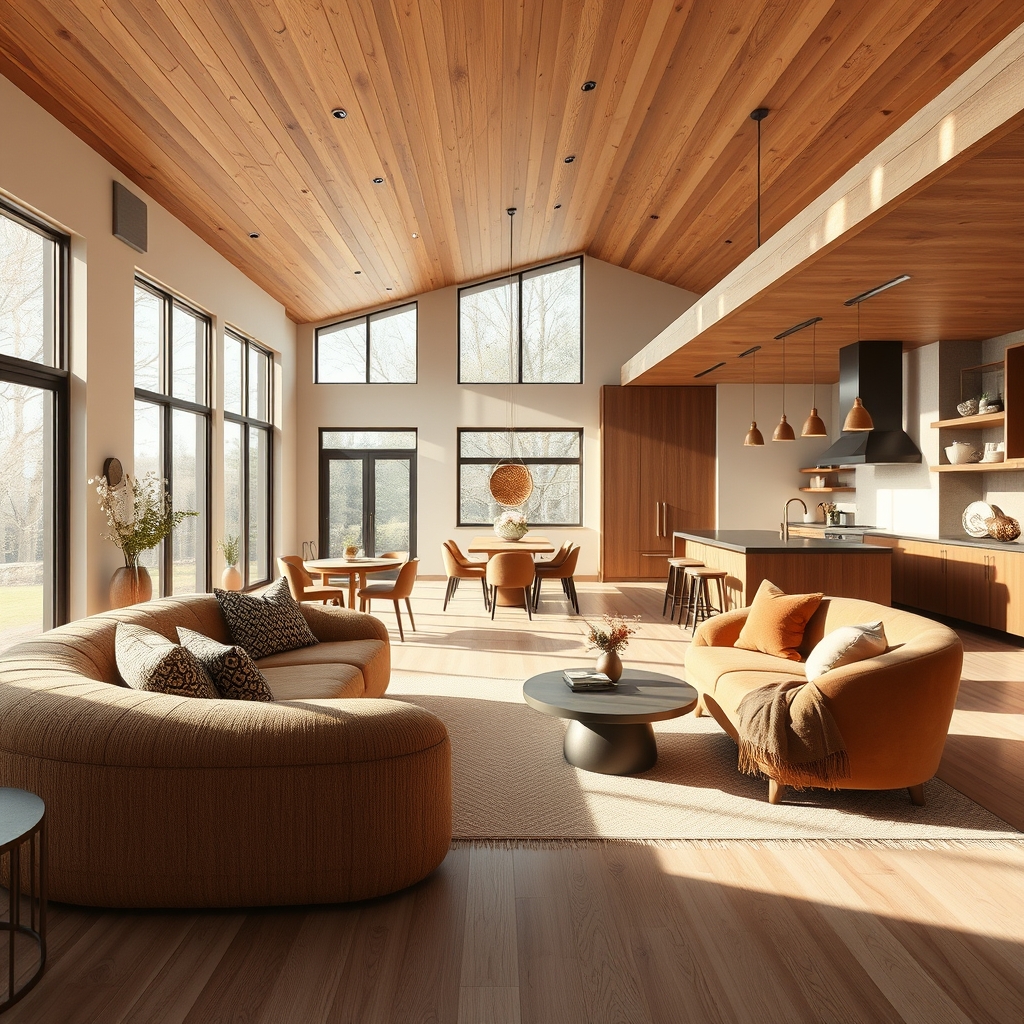
The modern home is no longer just a place of refuge; it is a dynamic canvas where heritage aesthetics meet cutting-edge innovation. As our lives become more fluid and interconnected, our living spaces must adapt, blending timeless design principles with the demands of contemporary living. The result is a harmonious fusion of form and function, where every element serves a purpose while contributing to an atmosphere of warmth, elegance, and intentionality.
The Rise of Multi-Functional Rooms
Gone are the days when rooms were rigidly defined by a single purpose. The modern home thrives on versatility, with spaces that effortlessly transition from one function to another. A living room that doubles as a home office, a guest bedroom that transforms into a yoga studio, or a kitchen that seamlessly extends into an entertainment hub—these are the hallmarks of today’s multi-functional rooms. This evolution is driven by a need for efficiency, but it also reflects a deeper desire for spaces that adapt to our ever-changing lifestyles.
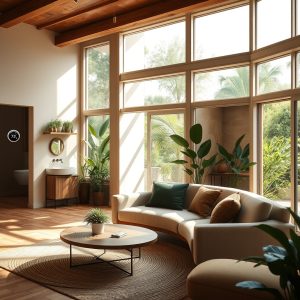
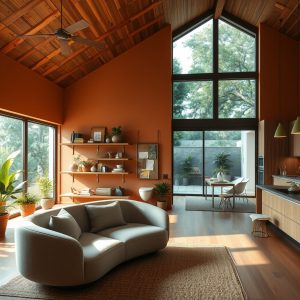
Designers are achieving this flexibility through clever zoning, modular furniture, and smart storage solutions. Curved furniture, for instance, not only softens the visual lines of a room but also enhances its flow, making it easier to repurpose the space as needed. Meanwhile, hidden pantries and floating shelves keep clutter at bay, ensuring that functionality never comes at the expense of aesthetics. The key lies in creating a sense of openness while maintaining distinct areas that can be easily reconfigured.
The Allure of Warm Minimalism
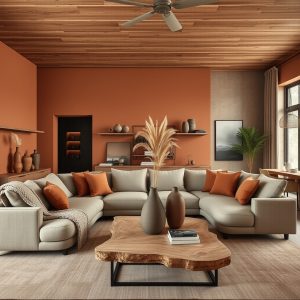
Minimalism has long been celebrated for its clean lines and uncluttered spaces, but the modern interpretation of this philosophy is far from cold or sterile. Warm minimalism infuses the simplicity of minimalist design with the richness of earthy palettes, textured surfaces, and natural materials. The result is a space that feels both serene and inviting, where every object has been thoughtfully chosen for its beauty and purpose.
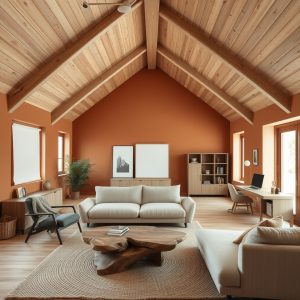
Earthy tones—think warm terracotta, soft ochre, deep olive, and muted umber—form the backbone of this aesthetic. These colors evoke a sense of grounding, connecting us to the natural world even when we’re indoors. Layering these hues with mixed wood tones, aged metals, and tactile fabrics like linen, wool, and jute adds depth and warmth, preventing the space from feeling too stark. The goal is to create an environment that feels curated, not sparse; intentional, not austere.
The Role of Textured Surfaces
Texture is the unsung hero of warm minimalism. It’s what transforms a flat, two-dimensional space into one that feels alive and engaging. Whether it’s the rough grain of a reclaimed wood ceiling, the smooth patina of aged brass fixtures, or the plush softness of a bouclé sofa, texture invites touch and adds layers of visual interest. In modern heritage design, these surfaces are often left in their natural state or lightly treated to preserve their character, celebrating the beauty of imperfection.
Textured surfaces also play a functional role. They can absorb sound, making a room feel more intimate, or reflect light in ways that enhance its natural warmth. When combined with earthy palettes, they create a sensory experience that is as pleasing to the eye as it is to the touch. This tactile approach to design is a cornerstone of biophilic principles, which emphasize our innate connection to nature.
Smart Innovation Meets Timeless Design
The integration of smart technology into modern heritage homes is not about flashy gadgets or futuristic aesthetics. Instead, it’s about seamlessly blending innovation with tradition to enhance comfort, convenience, and sustainability. Smart thermostats, for example, allow homeowners to maintain the perfect temperature while reducing energy consumption, aligning with the growing emphasis on sustainable living. Similarly, smart bidets and spa-inspired bathrooms elevate daily rituals, turning routine tasks into moments of luxury and self-care.
Outdoor kitchens and living spaces are another example of how smart innovation is reshaping the home. By extending the living area beyond the walls of the house, these spaces blur the line between indoor and outdoor living, creating a seamless flow that enhances both functionality and aesthetics. The use of durable, weather-resistant materials ensures that these spaces remain beautiful and functional year-round, while integrated lighting and heating systems make them usable even in cooler months.
The Subtle Power of Kitchen Zoning
In the heart of the home, kitchen zoning is revolutionizing the way we cook, entertain, and interact. This approach divides the kitchen into distinct areas based on function—prep zones, cooking zones, cleaning zones, and storage zones—each designed to optimize workflow and efficiency. Modern heritage kitchens take this concept a step further by incorporating earthy palettes, mixed wood tones, and aged metals to create a space that is as beautiful as it is practical.
Hidden pantries and floating shelves are key elements in this design philosophy. They keep countertops clear and clutter-free, allowing the beauty of the materials and finishes to shine. Meanwhile, curved furniture and open shelving create a sense of movement and fluidity, making the kitchen feel like a natural extension of the living space rather than a separate, utilitarian area.
The modern home is a testament to the idea that great design is not about following trends, but about creating spaces that resonate with our values, lifestyles, and aspirations. It’s about striking a balance between the timeless elegance of heritage aesthetics and the innovative spirit of contemporary living. When done right, this fusion doesn’t just create a house—it creates a home that feels uniquely, authentically yours. A space that nurtures, inspires, and evolves with you, long after the last piece of furniture has been placed and the final coat of paint has dried.