
The Hidden Green Network: How Urban Foraging Zones and Wildlife Corridors Are Stitching Cities Back to Nature
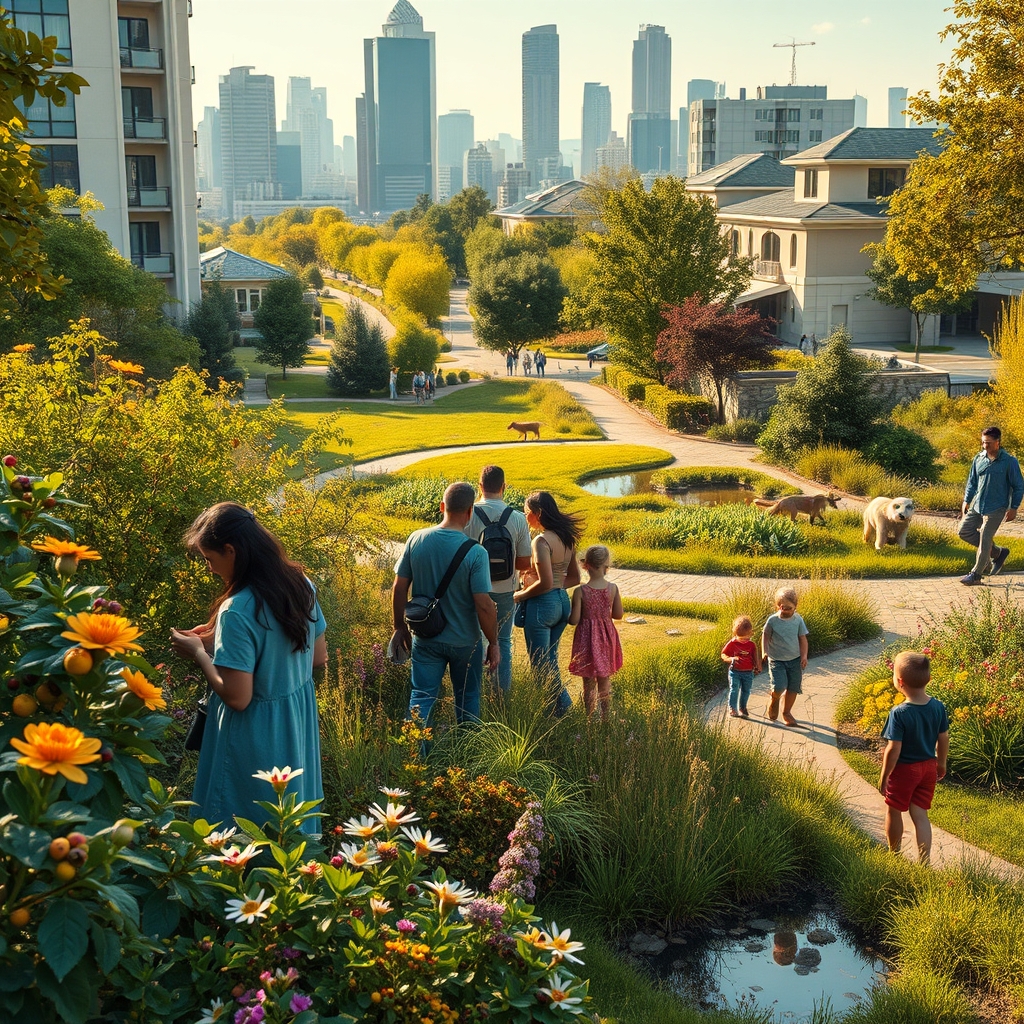
Cities are often seen as concrete jungles, places where nature has been pushed to the margins in favor of steel, glass, and asphalt. Yet, beneath the surface of this urban sprawl, a quiet transformation is underway. A growing movement is reimagining cities not as spaces separate from nature, but as ecosystems where human life and wildlife can coexist harmoniously. At the heart of this shift are two powerful concepts: urban foraging zones and wildlife conservation corridors. Together, they are stitching cities back into the fabric of the natural world, creating a hidden green network that benefits both people and the planet.
The Rise of Urban Foraging Zones
Urban foraging zones are designated areas within cities where residents can legally and sustainably harvest wild plants, fruits, and herbs. These zones are often planted with native, edible species that require minimal maintenance, making them a low-cost, high-impact solution for urban food security. Cities like Seattle, Portland, and London have already embraced this idea, transforming underutilized spaces—vacant lots, roadside verges, and even rooftops—into thriving edible landscapes.
Foraging zones do more than just provide free, nutritious food. They reconnect city dwellers with the natural world, fostering a sense of stewardship and community. Imagine walking to a nearby park and picking blackberries for your morning smoothie or gathering dandelion greens for a salad. These small acts of foraging can transform the way people interact with their environment, turning passive observers into active participants in the urban ecosystem.
Moreover, foraging zones support biodiversity by creating habitats for pollinators like bees and butterflies. They also reduce the carbon footprint associated with food transportation, as produce is grown and consumed locally. In a world where food deserts and food insecurity are pressing issues, urban foraging zones offer a tangible solution that is both practical and empowering.
Wildlife Conservation Corridors: Stitching the Urban Fabric Back Together
While urban foraging zones cater to human needs, wildlife conservation corridors are designed to support the non-human inhabitants of cities. These corridors are linear strips of green space—such as parks, greenways, and even roadside plantings—that connect larger natural areas, allowing wildlife to move safely through urban environments. They are the highways of the natural world, enabling species to migrate, find food, and adapt to changing conditions.
In cities, habitat fragmentation is a major threat to biodiversity. Roads, buildings, and other infrastructure can isolate populations of animals, making it difficult for them to survive and reproduce. Wildlife corridors break down these barriers, creating a continuous network of green space that supports a diverse range of species. For example, a corridor might allow foxes to travel from a forest on the city’s edge to a central park, or enable birds to migrate between urban green spaces without risking collisions with buildings.
These corridors also benefit humans by improving air and water quality, reducing the urban heat island effect, and enhancing the aesthetic appeal of neighborhoods. They provide opportunities for recreation and education, allowing city residents to observe and learn about local wildlife. In essence, wildlife corridors are a win-win: they protect biodiversity while enriching the lives of urban dwellers.
Designing Corridors for Maximum Impact
Creating effective wildlife corridors requires careful planning and collaboration between urban planners, ecologists, and local communities. The first step is identifying key habitats and the species that depend on them. For example, a corridor designed for pollinators might include a variety of flowering plants that bloom at different times of the year, ensuring a steady supply of nectar. Similarly, a corridor for amphibians might incorporate wetlands or ponds to provide breeding grounds.
Native plant species are essential in these corridors, as they are best adapted to the local climate and provide the most benefit to native wildlife. Invasive species, on the other hand, can disrupt ecosystems and should be avoided. Additionally, corridors should be designed to minimize human-wildlife conflicts. For instance, underpasses or overpasses can be built to allow animals to cross busy roads safely, reducing the risk of vehicle collisions.
The Role of Technology and Community Engagement
Technology plays a crucial role in the success of wildlife corridors. Geographic Information Systems (GIS) can be used to map existing green spaces and identify gaps in the network. Drones and satellite imagery can monitor the health of corridors and track the movement of wildlife. Meanwhile, citizen science initiatives—such as wildlife tracking apps—can engage the public in data collection, fostering a sense of ownership and responsibility for these spaces.
Community engagement is equally important. Local residents can participate in planting and maintaining corridors, ensuring that these spaces reflect the needs and values of the community. Schools can incorporate wildlife corridors into their curricula, teaching students about ecology and conservation. By involving people in the process, cities can build support for these initiatives and ensure their long-term success.
Bridging the Gap Between Foraging Zones and Wildlife Corridors
While urban foraging zones and wildlife corridors serve different purposes, they are deeply interconnected. Both rely on native plant species to thrive, and both require careful planning to integrate seamlessly into the urban landscape. When designed together, they can create a synergistic effect, enhancing the benefits of each. For example, a foraging zone planted with native fruit trees can double as a wildlife corridor, providing food and shelter for birds and insects. Similarly, a wildlife corridor that includes edible plants can serve as a foraging zone for humans, blurring the lines between human and natural spaces.
This integrated approach is already being tested in cities around the world. In Melbourne, Australia, the Urban Forest Strategy aims to increase the city’s tree canopy while incorporating edible and native species. In Berlin, Germany, the Edible City project has transformed public spaces into productive landscapes that support both people and wildlife. These examples demonstrate that cities can be more than just concrete and steel—they can be vibrant, living ecosystems that nourish all their inhabitants.
As urbanization continues to accelerate, the need for innovative solutions like urban foraging zones and wildlife corridors becomes ever more urgent. These initiatives offer a way to reconnect cities with nature, creating spaces that are not only sustainable but also resilient. They remind us that cities are not separate from the natural world, but a part of it. By embracing these ideas, we can build cities that are healthier, more inclusive, and more alive—places where both people and wildlife can thrive. The hidden green network is already taking shape, and it’s up to us to nurture and expand it, one corridor and foraging zone at a time.