The Seamless Fusion of Modern Heritage and Biophilic Design: Crafting Living Spaces with Earthy Palettes and Wooden Ceilings
In the ever-evolving landscape of interior design, the marriage of modern heritage and biophilic principles has emerged as a transformative force, reshaping how we perceive and interact with our living spaces. This harmonious blend celebrates the timeless elegance of heritage aesthetics while embracing the restorative power of nature, creating environments that are not only visually stunning but also deeply nourishing to the soul. At the heart of this design philosophy lies a commitment to earthy palettes, wooden ceilings, and thoughtful spatial arrangements that invite the outside in, fostering a sense of tranquility and connection.
The Essence of Earthy Palettes
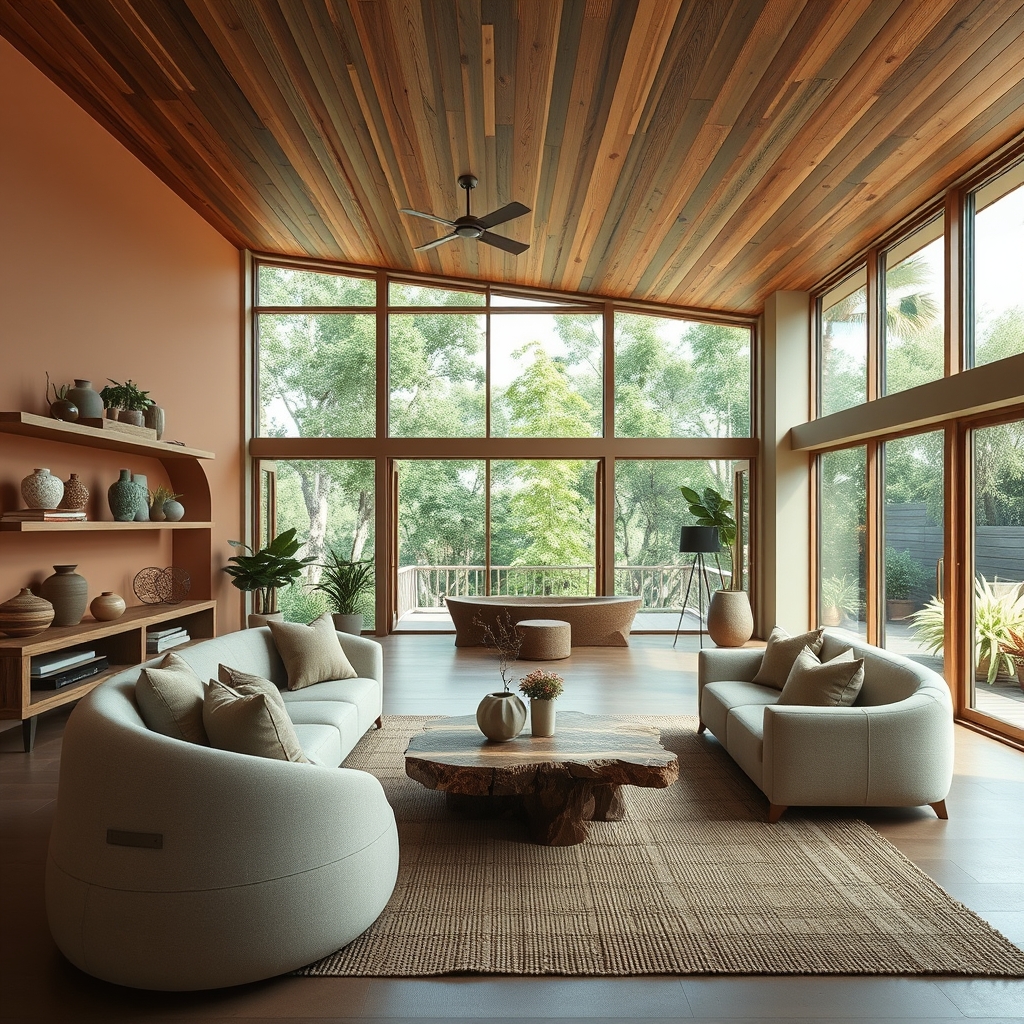
Earthy palettes serve as the foundation of this design approach, drawing inspiration from the natural world to create a warm, inviting atmosphere. Think of the rich, muted tones of terracotta, the deep greens of forest foliage, the soft browns of sun-bleached wood, and the calming blues of ocean depths. These hues are not merely decorative; they are carefully chosen to evoke a sense of grounding and serenity, making them ideal for spaces where relaxation and rejuvenation are paramount. When paired with modern heritage elements, such as aged metals or mixed wood tones, earthy palettes create a layered, textured look that feels both timeless and contemporary.
One of the most compelling ways to incorporate earthy palettes is through colour drenching—a technique where a single hue is used across walls, ceilings, and even furniture to create a cohesive, immersive experience. This approach works particularly well in open-concept spaces, where it can define zones without the need for physical barriers. For instance, a living room drenched in a warm ochre can seamlessly flow into a kitchen adorned with olive-green cabinetry, all while maintaining a sense of unity and harmony. The result is a space that feels expansive yet intimate, modern yet rooted in tradition.
The Timeless Appeal of Wooden Ceilings
Wooden ceilings are another hallmark of this design trend, offering a striking contrast to the sleek, minimalist lines often associated with contemporary interiors. Whether it’s the rustic charm of reclaimed timber or the refined elegance of polished hardwood, wooden ceilings add depth, warmth, and character to a space. They serve as a visual anchor, drawing the eye upward and creating a sense of enclosure that is both comforting and sophisticated. In modern heritage homes, wooden ceilings are often paired with other natural materials, such as stone or linen, to enhance their organic appeal.
Beyond their aesthetic benefits, wooden ceilings also contribute to the biophilic design ethos by reinforcing our innate connection to nature. Studies have shown that exposure to natural materials like wood can reduce stress, improve mood, and even enhance cognitive function. This makes wooden ceilings an ideal choice for spaces where well-being is a priority, such as bedrooms, home offices, or spa-like bathrooms. When combined with other biophilic elements, such as indoor plants or water features, wooden ceilings can transform a room into a sanctuary of calm and rejuvenation.
Curved Furniture and the Art of Softening Spaces
While earthy palettes and wooden ceilings set the tone for a modern heritage home, curved furniture plays a crucial role in softening the overall aesthetic. Unlike the sharp angles and rigid lines of traditional modern design, curved furniture introduces a sense of fluidity and movement, creating spaces that feel more organic and inviting. This trend is particularly evident in living rooms, where rounded sofas and arched coffee tables are becoming increasingly popular. These pieces not only add visual interest but also encourage a more relaxed, conversational atmosphere.
Curved furniture also complements the biophilic design principles by mimicking the natural shapes found in the environment. Think of the gentle arc of a river, the undulating forms of hills, or the organic curves of a seashell. By incorporating these shapes into our interiors, we create a subconscious connection to the natural world, fostering a sense of harmony and balance. When paired with earthy palettes and wooden ceilings, curved furniture helps to craft spaces that are both stylish and soulful, where every element feels intentional and cohesive.
Sustainable Materials and the Future of Home Design
As the demand for eco-conscious living continues to grow, sustainable materials have become a cornerstone of modern heritage design. From reclaimed wood and bamboo to recycled metals and natural fibers, these materials not only reduce our environmental footprint but also add a layer of authenticity and character to our homes. In a world where mass-produced furniture and disposable decor dominate, sustainable materials offer a refreshing alternative—one that celebrates craftsmanship, durability, and timeless beauty.
One of the most exciting developments in this space is the rise of multi-functional rooms, where sustainability and smart design intersect. For example, a hidden pantry crafted from reclaimed wood can double as a storage solution and a statement piece, while floating shelves made from recycled materials can showcase both decorative items and everyday essentials. These thoughtful details not only enhance the functionality of a space but also reflect a deeper commitment to mindful living. By choosing sustainable materials, we not only create homes that are beautiful and unique but also contribute to a more sustainable future.
Bringing It All Together: A Holistic Approach to Modern Living
The true magic of modern heritage and biophilic design lies in their ability to create spaces that are both aesthetically pleasing and deeply functional. By blending earthy palettes, wooden ceilings, curved furniture, and sustainable materials, we can craft interiors that reflect our values, nurture our well-being, and stand the test of time. Whether it’s a cozy reading nook bathed in warm, natural light or a sprawling open-concept living area that flows effortlessly from one zone to the next, these design principles offer endless possibilities for creativity and self-expression.
As we continue to navigate the complexities of modern life, our homes serve as a refuge—a place where we can reconnect with ourselves and the world around us. By embracing the seamless fusion of modern heritage and biophilic design, we can create living spaces that are not only beautiful but also meaningful, where every detail tells a story and every moment feels like a breath of fresh air. In this way, our homes become more than just structures; they become sanctuaries of comfort, inspiration, and joy, where the past and present coexist in perfect harmony.