The Modern Home as a Tapestry of Timeless Innovation: How Mixed Wood Tones, Curved Furniture, and Smart Bidets Weave Functionality into Heritage
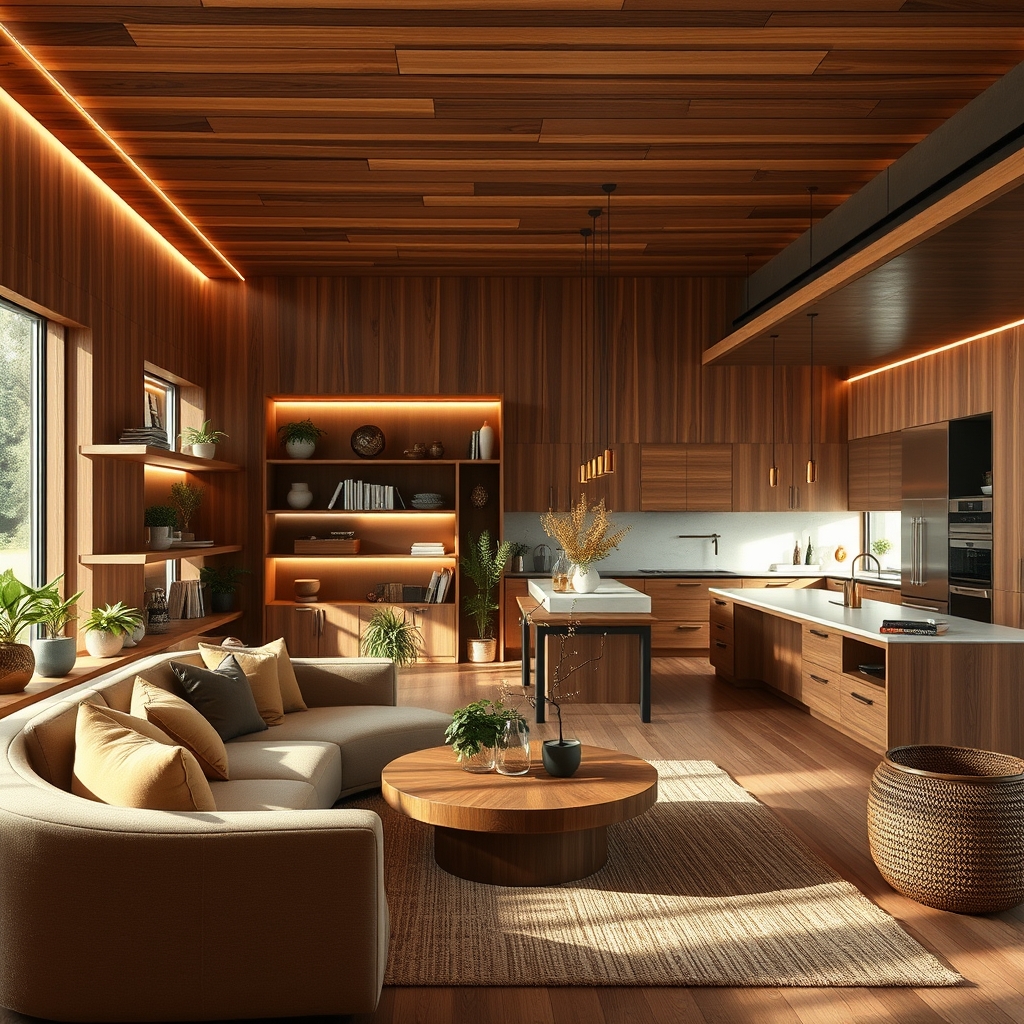
The modern home is no longer just a static structure; it is a living, evolving entity that harmonizes the past with the present. At the heart of this transformation lies the delicate balance between heritage-inspired design and cutting-edge innovation. Spaces today are crafted not only to reflect aesthetic beauty but also to adapt seamlessly to the rhythms of contemporary life. This fusion of old and new creates environments that feel both timeless and deeply personal.
The Art of Layering: Mixed Wood Tones and Earthy Palettes
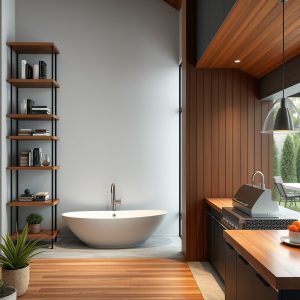
One of the most striking ways modern heritage manifests is through the thoughtful layering of mixed wood tones. Gone are the days of uniform finishes; today’s interiors celebrate the richness of natural variations. A walnut dining table paired with oak shelving or a teak sideboard against a backdrop of lighter birch cabinetry introduces depth and warmth. These combinations are not random but carefully curated to evoke a sense of history, as if each piece has been collected over time.
Complementing these wood tones are earthy palettes—soft terracottas, muted olives, warm ochres, and deep umbers—that ground the space in nature. These hues do more than just please the eye; they create an emotional resonance, making rooms feel inviting and lived-in. When paired with textured surfaces like linen, wool, or handwoven rugs, the effect is one of tactile richness, where every material tells a story.
The Fluidity of Curved Furniture: Softening the Edges of Modernity
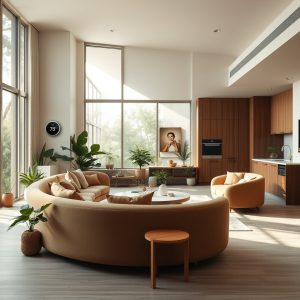
In a world where sharp lines and rigid structures have long dominated, curved furniture is making a triumphant return, offering a counterpoint to the angularity of contemporary design. Sofas with gentle arcs, round coffee tables, and organically shaped chairs invite movement and conversation, breaking down the barriers between functional zones. This shift toward fluidity is not merely aesthetic; it reflects a deeper desire for spaces that feel nurturing rather than imposing.
Curved furniture also plays a pivotal role in biophilic design, mimicking the natural forms found in the environment. A rounded sofa might echo the contours of a riverbank, while a circular dining table evokes the shape of a pebble. These subtle references to nature foster a sense of calm, making the home a sanctuary from the chaos of the outside world. When combined with earthy palettes and mixed wood tones, the result is a space that feels both modern and timeless, as if it has always existed in perfect harmony.
Smart Innovation: The Invisible Thread of Modern Heritage
While heritage-inspired design celebrates the tactile and the tangible, modern innovation ensures that these spaces are as functional as they are beautiful. Smart bidets, for instance, are no longer a luxury reserved for high-end bathrooms but a staple in homes that prioritize comfort and sustainability. These devices reduce the need for excessive toilet paper, aligning with the growing demand for eco-conscious living, while also elevating the daily ritual of self-care.
Similarly, smart thermostats and lighting systems allow homeowners to create environments that adapt to their needs without sacrificing aesthetic appeal. A wooden ceiling with integrated LED lighting can shift from warm, ambient glow to bright, task-oriented illumination with a simple voice command. Hidden pantries and multi-functional rooms, equipped with motorized shelving or retractable walls, maximize space without cluttering the visual landscape. These innovations are not about flashy technology but about seamless integration—enhancing the home’s functionality while preserving its soul.
Kitchen Zoning and Multi-Functional Rooms: The Evolution of Open Concepts
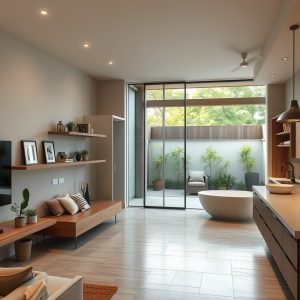
The open-concept layout has long been a hallmark of modern living, but its evolution is taking on new dimensions. Kitchen zoning, for example, divides the space into distinct areas for cooking, dining, and socializing, each with its own character. A central island might serve as a prep station, while a cozy nook with curved seating becomes the heart of the home, where meals are shared and conversations flow. This approach retains the airy feel of open-plan living while introducing structure and purpose to each zone.
Multi-functional rooms are another testament to the adaptability of modern heritage. A home office that transforms into a guest bedroom, a living room that doubles as a yoga studio, or a dining area that converts into a workspace—these spaces are designed to evolve with the needs of their inhabitants. The key lies in flexibility, where furniture and layouts can shift effortlessly to accommodate different activities. This fluidity is not just practical; it reflects a lifestyle that values versatility and mindful living.
Sustainable Materials: Crafting a Legacy for the Future
At the intersection of heritage and innovation lies sustainability—a principle that is reshaping the way we build and decorate our homes. Reclaimed wood, recycled metals, and natural stone are no longer niche choices but essential elements of modern design. These materials carry the weight of history, their imperfections telling stories of their past lives, while their durability ensures they will endure for generations to come.
Sustainable design also extends to the choices we make in everyday living. Smart bidets reduce water consumption, while energy-efficient appliances and solar panels minimize our carbon footprint. Even the textiles we choose—organic cotton, hemp, or bamboo—reflect a commitment to responsible living. These decisions are not just about reducing waste; they are about creating a home that is in harmony with the planet, a sanctuary that nurtures both its inhabitants and the environment.
The Unseen Poetry of Hidden Pantries and Floating Shelves
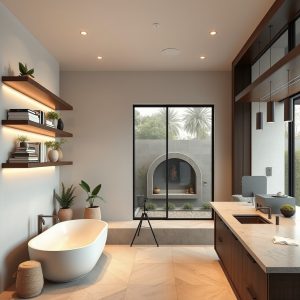
In the modern home, beauty often lies in what is unseen. Hidden pantries, for instance, offer a sleek solution to storage, concealing clutter behind seamless cabinetry or sliding panels. These spaces are not just functional; they are a nod to the art of minimalism, where every item has its place, and the visual landscape remains uncluttered. When paired with floating shelves, which display curated collections of books, art, or plants, the effect is one of effortless elegance—where form and function coexist in perfect balance.
Floating shelves also play a crucial role in biophilic design, allowing homeowners to bring elements of nature indoors. A shelf adorned with potted plants, driftwood, or crystals becomes a miniature ecosystem, infusing the space with life and energy. This connection to nature is not just aesthetic; it is a fundamental aspect of well-being, reminding us of the world beyond our walls.
The modern home is a tapestry woven from threads of the past and the present, where mixed wood tones, curved furniture, and smart innovation come together to create spaces that are as functional as they are beautiful. It is a celebration of heritage, not as a relic of the past, but as a living, breathing entity that evolves with us. In these spaces, every material, every curve, and every technological integration tells a story—one of comfort, connection, and timeless elegance. The home is no longer just a place to live; it is a sanctuary that adapts, nurtures, and inspires, reflecting the essence of who we are and who we aspire to be.