The Future of Home Design: How Floating Shelves, Smart Bidets, and Earthy Palettes Are Crafting Adaptive Living Spaces
In an era where homes are no longer just shelters but dynamic extensions of our lifestyles, the fusion of modern heritage and cutting-edge innovation is redefining how we interact with our living spaces. The shift toward adaptive design—where functionality meets aesthetics—has given rise to trends that prioritize flexibility, sustainability, and sensory comfort. At the heart of this evolution lies a delicate balance between timeless materials and smart technology, creating environments that are as intuitive as they are beautiful.
The Rise of Adaptive Aesthetics
Modern heritage is no longer confined to rigid definitions of style. Instead, it thrives on adaptability, blending the warmth of natural elements with the precision of contemporary design. Earthy palettes, for instance, have transcended their traditional role as mere backdrops, becoming active participants in shaping a home’s atmosphere. Soft ochres, muted terracottas, and deep forest greens are no longer just colors on a wall—they are tools for crafting mood, depth, and connection to nature. When paired with textured surfaces—think linen upholstery, handwoven rugs, or rough-hewn stone—these hues create a tactile experience that engages the senses in ways flat, monochromatic spaces simply cannot.
Floating Shelves: The Art of Effortless Elegance
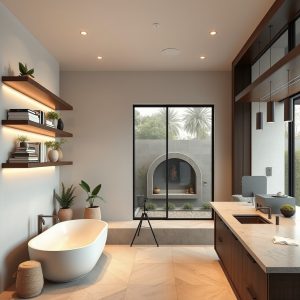
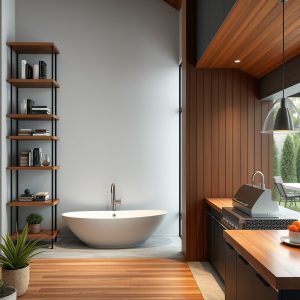
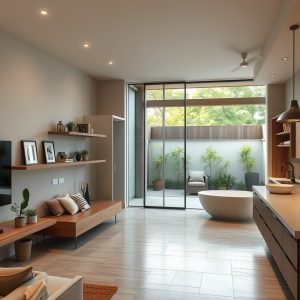
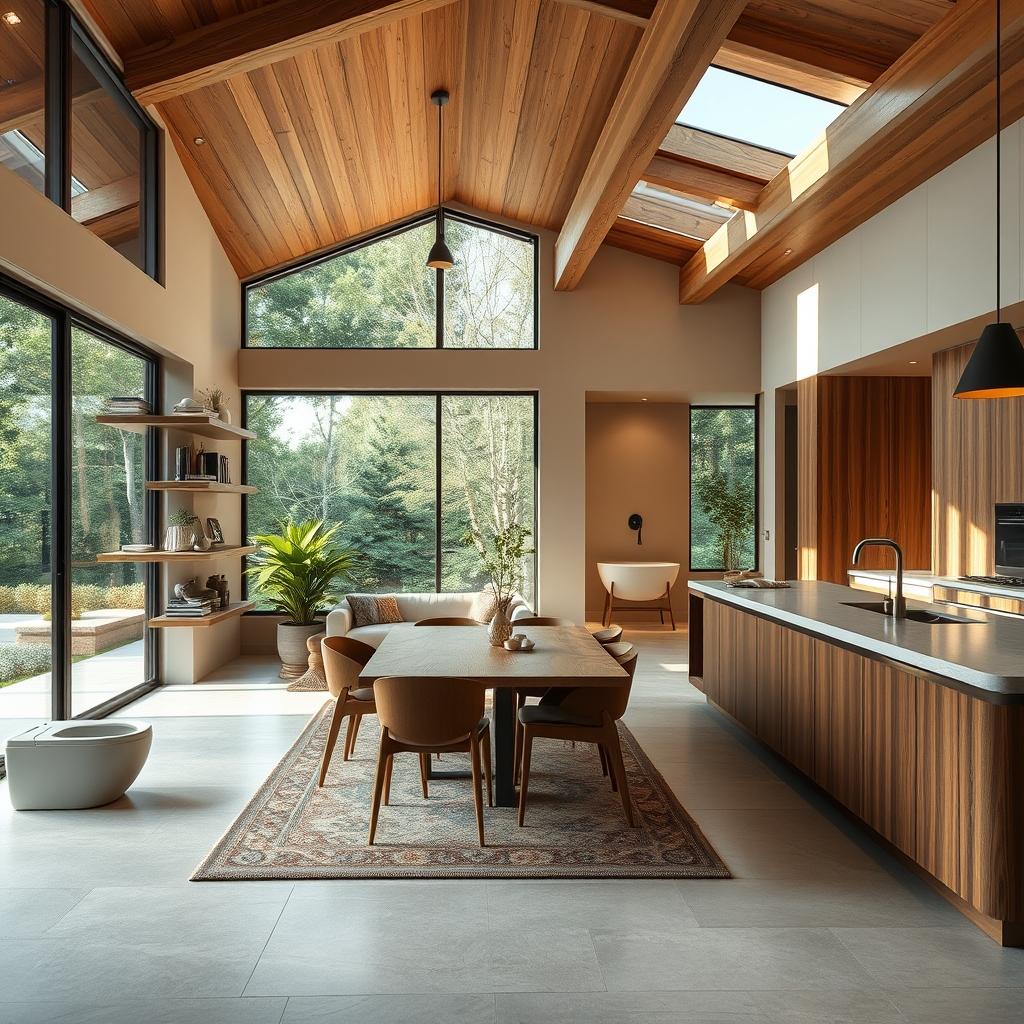
One of the most understated yet transformative elements in adaptive design is the floating shelf. Far from being a mere storage solution, these sleek, wall-mounted fixtures redefine spatial perception. By eliminating bulky cabinetry, they create an illusion of openness, allowing rooms to breathe while still offering functional storage. The key to their magic lies in their versatility—they can display curated art collections, house hidden lighting, or even serve as impromptu workstations. When crafted from reclaimed wood or paired with aged metals, they bridge the gap between rustic charm and modern minimalism, embodying the essence of modern heritage.
Smart Bidets: The Unseen Revolution in Wellness
While floating shelves redefine aesthetics, smart bidets are quietly revolutionizing the most intimate spaces in our homes. Once considered a luxury, these high-tech bathroom fixtures are now a staple of modern wellness design. With features like adjustable water temperature, customizable spray patterns, and even built-in air dryers, they elevate hygiene to a spa-like experience. But their impact goes beyond comfort—they represent a shift toward mindful living, where even the most routine tasks are infused with intention. When integrated into spa bathrooms with earthy palettes and biophilic elements, they transform daily rituals into moments of rejuvenation.
The Evolution of Open-Concept Living
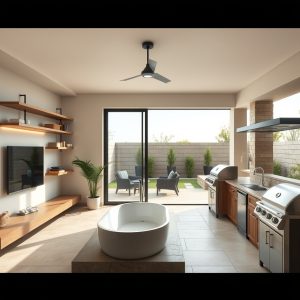
The open-concept layout has long been a hallmark of modern design, but its evolution is far from over. Today, the focus is on creating zones within these expansive spaces—areas that serve distinct purposes without sacrificing fluidity. Kitchen zoning, for example, allows for seamless transitions between cooking, dining, and socializing, often with the help of curved furniture that softens the edges of the room. Mixed wood tones add warmth and dimension, preventing the space from feeling sterile, while hidden pantries maintain a clean, uncluttered aesthetic. The result is a home that adapts to the rhythm of daily life, effortlessly shifting from a bustling family hub to a serene retreat.
Biophilic Design: Bringing the Outdoors In
No discussion of adaptive living would be complete without addressing biophilic design—the practice of integrating natural elements into interior spaces. Wooden ceilings, for instance, add a layer of organic texture that contrasts beautifully with smooth, modern surfaces. Large windows that frame outdoor views, indoor plants that purify the air, and water features that introduce soothing sounds all contribute to a home that feels alive. This connection to nature is not just about aesthetics; it’s about well-being. Studies have shown that biophilic environments reduce stress, improve cognitive function, and enhance overall happiness. In a world where urban living often disconnects us from the natural world, these design choices serve as a vital reminder of our inherent need for harmony with our surroundings.
The Role of Sustainable Materials
As the demand for adaptive living spaces grows, so does the emphasis on sustainability. Homeowners are increasingly seeking materials that are not only beautiful but also environmentally responsible. Reclaimed wood, bamboo, and recycled metals are just a few examples of how modern heritage is being reimagined with a conscience. These materials tell a story—they carry the patina of time, the marks of their past lives, and a sense of authenticity that new materials often lack. When paired with smart innovations like energy-efficient smart thermostats, they create homes that are as kind to the planet as they are to their inhabitants.
Adaptive living is not about following fleeting trends; it’s about crafting spaces that evolve alongside us. Whether through the subtle elegance of floating shelves, the transformative power of smart bidets, or the grounding presence of earthy palettes, the homes of the future are being designed to nurture, inspire, and adapt. They are not just places to live—they are sanctuaries that reflect who we are and who we aspire to be, blending the best of the past with the promise of the future.