The Future of Home Building: Innovations for Sustainability, Comfort, and Accessibility
The modern home is no longer just a place to live—it’s a dynamic space designed for efficiency, sustainability, and adaptability. As climate concerns grow and lifestyles evolve, homeowners and builders are embracing cutting-edge technologies and design principles that prioritize environmental responsibility without sacrificing comfort or style. From energy-efficient systems to layouts that accommodate every stage of life, today’s homes are being reimagined to meet the demands of the future.
The Rise of Net Zero Homes
Net zero homes represent a gold standard in sustainable living, producing as much energy as they consume over the course of a year. These homes integrate renewable energy sources like solar panels, wind turbines, or geothermal systems to offset their energy use. High-performance insulation, triple-glazed windows, and airtight construction minimize energy loss, while smart thermostats and energy monitoring systems help homeowners track and optimize their consumption. The result? Lower utility bills, reduced carbon footprints, and a home that actively contributes to a healthier planet.
Solar Roof Integration: Aesthetic and Functional
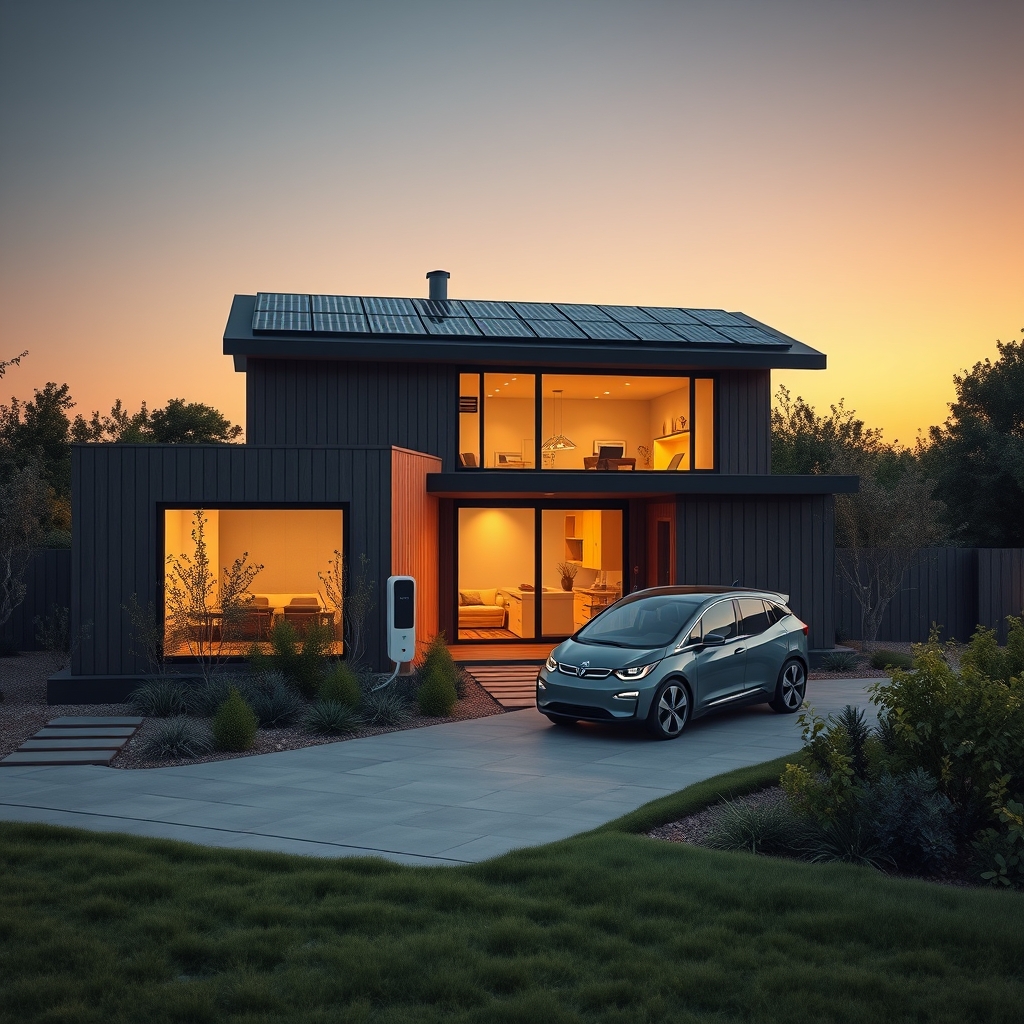
Gone are the days when solar panels were bulky eyesores. Today’s solar roof integration blends seamlessly with modern architecture, offering sleek, low-profile designs that enhance curb appeal while generating clean energy. Some systems even mimic traditional roofing materials, such as slate or terracotta, making them an attractive option for homeowners who want sustainability without compromising on style. When paired with battery storage solutions, these systems provide energy independence, ensuring power is available even during grid outages.
Universal Design: Homes for Every Stage of Life
Universal design principles ensure that homes are accessible and functional for people of all ages and abilities. Features like wider doorways, step-free entryways, and lever-style door handles make spaces more navigable for individuals with mobility challenges, while also accommodating strollers, luggage, and furniture. Multi-generational layouts, which include separate living suites or adaptable spaces, allow families to live together comfortably while maintaining privacy. These designs future-proof homes, ensuring they remain livable as residents’ needs change over time.
Smart Framing and Prefabricated Modules
Traditional construction methods often result in material waste and extended build times. Smart framing techniques, such as advanced framing or engineered wood products, reduce waste by optimizing material use and improving structural efficiency. Prefabricated modules take this a step further by constructing entire sections of a home in a factory setting, where precision and quality control are easier to manage. These modules are then transported to the site and assembled, significantly reducing construction time and minimizing environmental impact. The result is a home that’s built faster, with less waste, and often at a lower cost.
Comfort and Efficiency: The Heart of Modern Living
Comfort in a modern home goes beyond temperature control. Radiant floor heating, for example, provides even, silent warmth that eliminates the drafts and noise associated with forced-air systems. Energy recovery ventilators (ERVs) ensure fresh air circulation while retaining heat or coolness, improving indoor air quality without wasting energy. High-performance insulation, such as spray foam or rigid foam boards, creates a thermal barrier that keeps homes comfortable year-round while reducing energy demands.
Healthy Building Materials: A Breath of Fresh Air
Indoor air quality is a critical consideration in modern home design. Many conventional building materials release volatile organic compounds (VOCs) that can harm respiratory health. Healthy building materials, such as low-VOC paints, formaldehyde-free insulation, and natural wood products, create a safer living environment. Additionally, passive house standards prioritize airtight construction and mechanical ventilation to ensure a constant supply of fresh, filtered air, reducing allergens and pollutants.
Outdoor Spaces: Sustainable and Stylish
Landscaping plays a crucial role in a home’s sustainability and aesthetic appeal. Drought-tolerant landscaping, which incorporates native plants and efficient irrigation systems, reduces water consumption while creating vibrant, low-maintenance outdoor spaces. Rainwater harvesting systems collect and store rainwater for irrigation, further conserving resources. These features not only lower utility bills but also create resilient landscapes that thrive in changing climate conditions.
Home Automation: The Brain of the Modern Home
Home automation hubs integrate lighting, security, climate control, and entertainment systems into a single, user-friendly platform. Smart thermostats learn occupants’ preferences and adjust temperatures automatically, while automated blinds optimize natural light and reduce energy use. Voice-controlled assistants and mobile apps allow homeowners to manage their homes remotely, enhancing convenience and security. These systems not only simplify daily life but also contribute to energy efficiency by ensuring systems operate only when needed.
Minimalist Architecture: Less is More
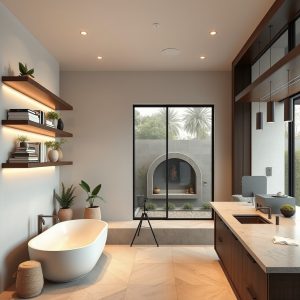
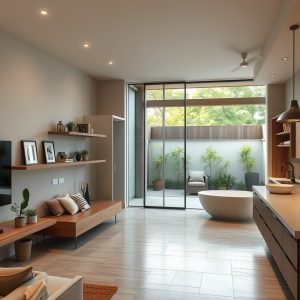
Minimalist architecture emphasizes simplicity, functionality, and the use of natural materials. Clean lines, open floor plans, and uncluttered spaces create a sense of calm and order, while large windows and cross-ventilated spaces maximize natural light and airflow. This design philosophy reduces the need for excessive heating, cooling, and artificial lighting, aligning with sustainable living principles. Minimalist homes are not only visually striking but also easier to maintain and adapt over time.
The homes of the future are being built today, blending innovation with timeless design principles. By embracing technologies and strategies that prioritize sustainability, accessibility, and comfort, homeowners can create spaces that are not only beautiful but also resilient and adaptable. Whether it’s through solar roof integration, universal design, or smart home automation, these advancements are transforming the way we live, ensuring that our homes remain havens of efficiency and well-being for generations to come.