The Green Blueprint: How Linear Green Ribbons and Sustainable Drainage Corridors Are Revolutionizing Urban Design
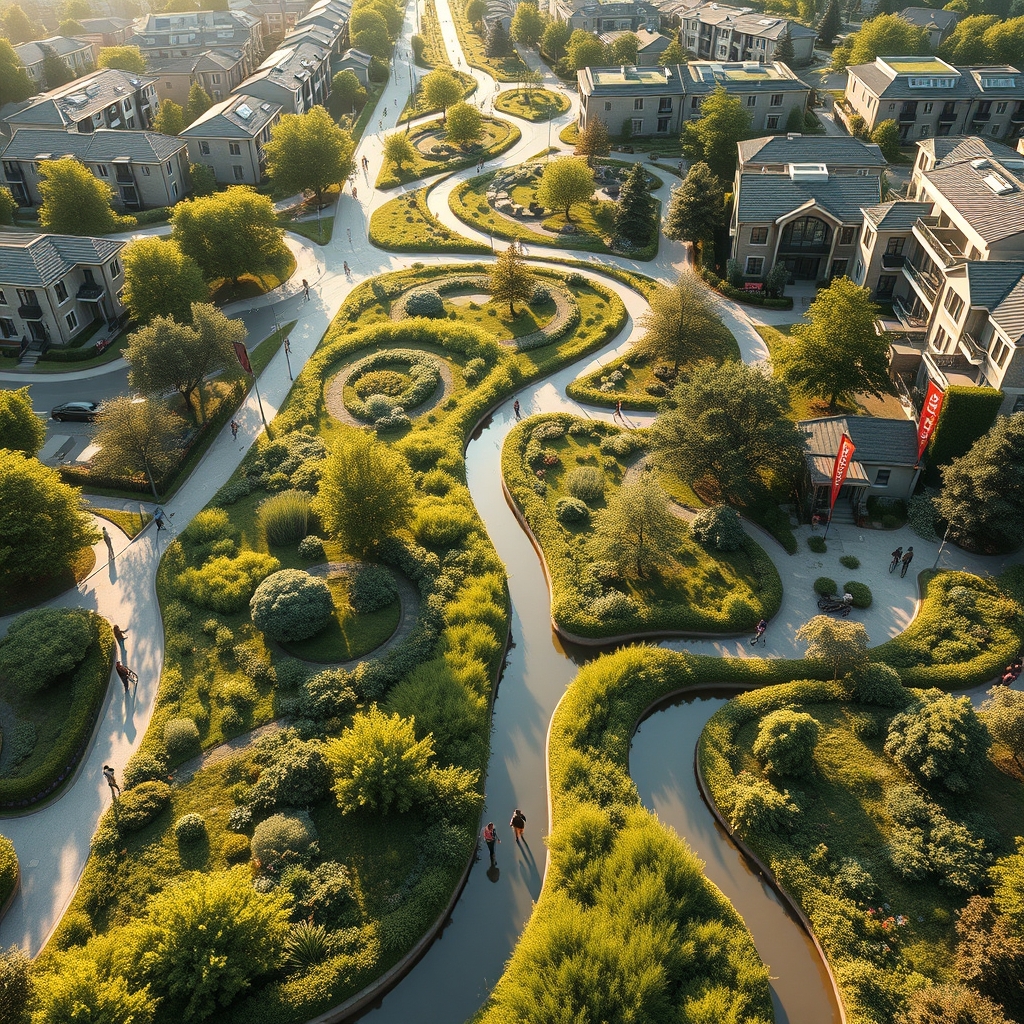
Urban landscapes are undergoing a quiet transformation, one where concrete jungles are being softened by threads of greenery and water. At the heart of this evolution lies a strategic fusion of ecological sensitivity and human-centric design—where Linear Green Ribbons and Sustainable Drainage Corridors are not just aesthetic enhancements but functional pillars of modern urban planning. These elements are redefining how neighborhoods breathe, how communities interact, and how cities adapt to the challenges of climate change and rapid urbanization.
The Rise of Linear Green Ribbons: More Than Just Aesthetic Appeal
Linear Green Ribbons are not merely strips of grass or rows of trees; they are carefully designed ecological corridors that weave through urban fabric, connecting parks, residential areas, and commercial hubs. Unlike traditional green spaces that exist in isolation, these ribbons create a continuous network of biodiversity, allowing flora and fauna to thrive amidst urban density. In Master Planned Estates and Transit Oriented Developments, they serve as natural pathways for pedestrians and cyclists, reducing reliance on vehicles and fostering a culture of active mobility.
Cities like Copenhagen and Singapore have embraced this concept, integrating green ribbons into their urban DNA. In Copenhagen, the Green Cycle Routes not only provide safe, scenic paths for commuters but also act as stormwater management systems, absorbing excess rainwater and reducing urban flooding. Similarly, Singapore’s Park Connector Network transforms narrow strips of land into lush, meandering trails that connect major parks, ensuring that nature is never more than a short walk away for its residents.
Social and Environmental Synergy
The benefits of Linear Green Ribbons extend beyond environmental sustainability. They act as social catalysts, encouraging spontaneous interactions among neighbors. A study conducted in Melbourne found that residents living near green corridors reported higher levels of community engagement and lower stress levels compared to those in areas lacking such amenities. These ribbons also mitigate the urban heat island effect, lowering temperatures in their vicinity by several degrees—a critical advantage as global temperatures rise.
Sustainable Drainage Corridors: Engineering with Nature
As cities grapple with the impacts of climate change, traditional drainage systems are proving inadequate. Enter Sustainable Drainage Corridors (SuDS), an innovative approach that mimics natural water cycles to manage stormwater. Unlike conventional concrete drains, these corridors use permeable surfaces, retention ponds, and bioswales to slow, filter, and absorb rainwater, reducing the risk of flooding and improving water quality.
In the UK, the Enfield SuDS project has transformed underutilized urban spaces into functional drainage corridors, integrating them with Walkable Streetscapes and Pocket Neighborhood Layouts. These corridors are designed to be visually appealing, with native plants and meandering paths that invite residents to explore. The result is a dual-purpose infrastructure that enhances both ecological resilience and community well-being.
Designing for Resilience and Beauty
The success of Sustainable Drainage Corridors lies in their ability to blend functionality with aesthetics. In Portland, Oregon, the Green Streets initiative has turned roadside swales into vibrant, plant-filled channels that capture and cleanse stormwater. These corridors are strategically placed along Pedestrian First Arteries, ensuring that they serve as both flood control mechanisms and attractive public spaces. The integration of public art and seating areas further encourages residents to linger, turning these corridors into communal hubs.
Integrating Green and Blue Infrastructure into Housing Layouts
The marriage of Linear Green Ribbons and Sustainable Drainage Corridors is particularly impactful in Cluster Housing Layouts and Gated Community Security designs. In High Density Cluster Living areas, these elements provide much-needed green relief, breaking the monotony of dense construction. For instance, in the Netherlands, the Water-Sensitive Urban Design (WSUD) approach has led to the creation of housing clusters where water features and green spaces are central to the layout. Rain gardens, wetlands, and green roofs are seamlessly integrated, creating a harmonious balance between built and natural environments.
In Mixed Use Zoning developments, these corridors can act as natural dividers between residential and commercial areas, reducing noise pollution and enhancing privacy. They also serve as buffer zones, softening the transition between different land uses and creating a more cohesive urban fabric. For example, in Vancouver’s False Creek neighborhood, green and blue corridors separate high-density residential towers from commercial spaces, providing residents with tranquil, nature-filled retreats within walking distance of their homes.
The Role of Policy and Community Engagement
The adoption of these green and blue infrastructure elements is not without challenges. It requires forward-thinking policies, interdisciplinary collaboration, and community buy-in. Cities like Berlin and Melbourne have implemented Low Density Zoning regulations that mandate the inclusion of green spaces and sustainable drainage systems in new developments. Public workshops and participatory design processes ensure that residents have a voice in shaping these spaces, fostering a sense of ownership and pride.
In Master Planned Estates, developers are increasingly recognizing the value of these elements as selling points. Properties adjacent to green ribbons or sustainable drainage corridors often command higher prices, reflecting the growing demand for sustainable, livable urban environments. This trend is a testament to the shifting priorities of urban dwellers, who are no longer satisfied with mere functionality but seek spaces that nourish the soul.
As urbanization accelerates, the need for innovative, sustainable design solutions becomes more urgent. Linear Green Ribbons and Sustainable Drainage Corridors represent a paradigm shift in how we conceive urban spaces—not as static, rigid structures but as dynamic, living systems that evolve with the needs of their inhabitants. They remind us that the cities of the future must be designed with both people and the planet in mind, where every street, park, and waterway tells a story of harmony, resilience, and community. The green blueprint is not just a vision; it is a necessity, and its time has come.