
Teal Accent: How to Use This Bold Color Without Overpowering Your Space
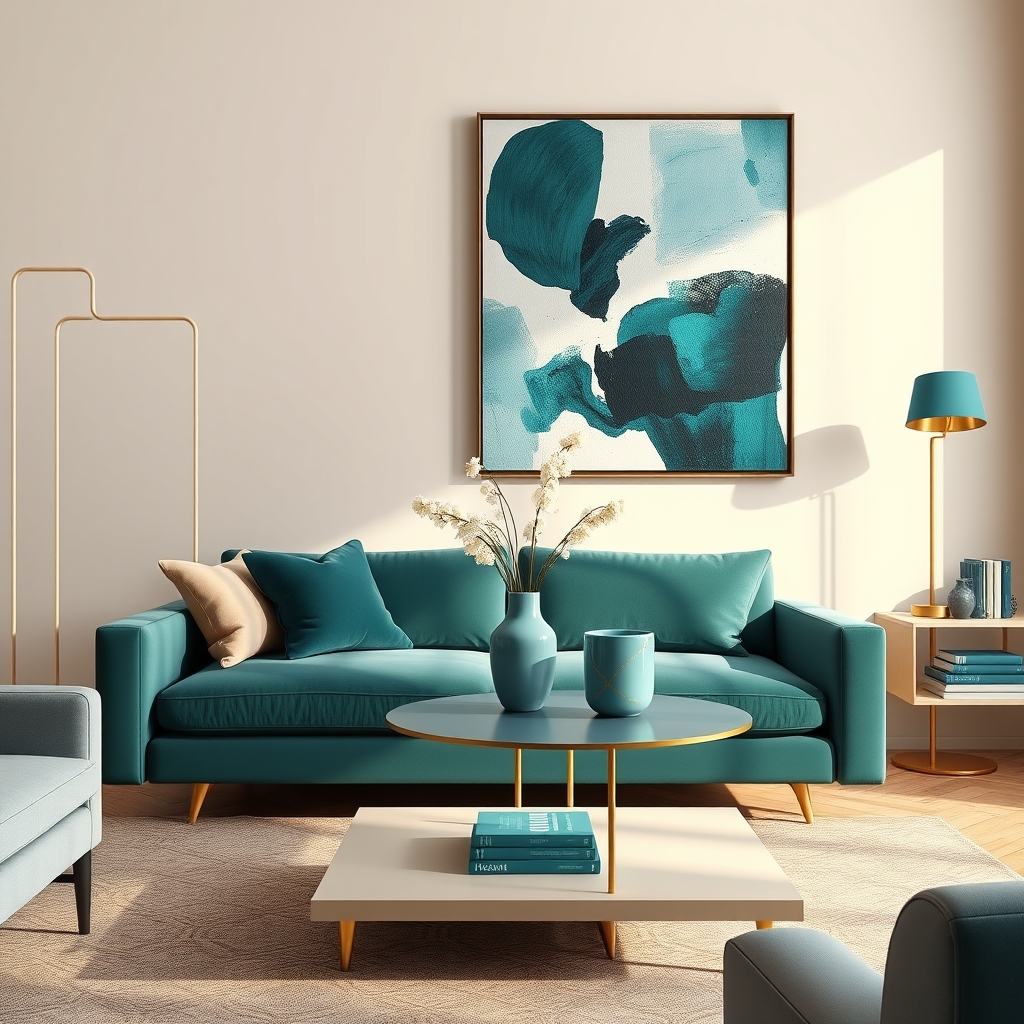
Teal is a color that effortlessly bridges the gap between the calming qualities of blue and the vibrant energy of green. Its rich, sophisticated hue can add depth and character to any space or outfit, but its boldness can also feel overwhelming if not used thoughtfully. The key to incorporating teal as an accent lies in balance—pairing it with complementary tones, textures, and proportions to create a look that feels intentional rather than overpowering. Whether you’re redesigning a living room, refreshing your wardrobe, or simply adding a pop of color to a small space, teal can be a game-changer when used with restraint and creativity.
The Psychology of Teal: Why It Works
Before diving into the practicalities of using teal, it’s worth understanding why this color resonates so deeply with people. Teal is often associated with tranquility, stability, and renewal, thanks to its blue undertones. At the same time, its green elements evoke growth, harmony, and a connection to nature. This duality makes teal a versatile choice that can adapt to a variety of moods and settings. In interior design, it can create a sense of calm in a bedroom or add a touch of drama to a dining room. In fashion, teal can convey confidence and elegance, making it a favorite for statement pieces like blazers, dresses, or accessories.
However, the very qualities that make teal so appealing can also make it tricky to work with. Its intensity means it can easily dominate a space or outfit if not balanced with neutral or contrasting elements. The goal is to let teal shine without allowing it to take over entirely. This requires a strategic approach, whether you’re working with paint, fabrics, decor, or clothing.
Teal in Interior Design: Striking the Right Balance
Start Small with Accents
If you’re new to using teal, begin with small, easily changeable elements like throw pillows, vases, or artwork. These pieces allow you to experiment with the color without committing to a larger investment. For example, a pair of teal velvet cushions on a neutral sofa can instantly elevate the room’s aesthetic without feeling overwhelming. Similarly, a teal ceramic vase or a framed print with teal accents can add a subtle yet impactful touch to a shelf or console table.
When choosing these accents, consider the existing color palette of your space. Teal pairs beautifully with warm neutrals like beige, cream, and taupe, as well as cooler tones like gray and white. These combinations create a harmonious backdrop that allows teal to stand out without clashing. If your space already has a lot of bold colors, opt for teal in muted or dusty shades to avoid visual chaos.
Use Teal in Unexpected Places
One of the most effective ways to incorporate teal is by using it in unexpected ways. Instead of limiting it to decor, consider painting an accent wall, a bookshelf, or even the back of a cabinet in teal. This approach adds depth and interest to a room without overwhelming it. For instance, a teal-painted bookshelf filled with neutral-toned books and decor can become a focal point in a living room, drawing the eye while maintaining a sense of balance.
Another unexpected use of teal is in textiles. Swap out a neutral rug for one with teal patterns or introduce teal curtains to frame a window. These elements can tie a room together while adding a layer of texture and warmth. If you’re feeling bold, teal upholstery on a single chair or ottoman can create a striking contrast in a predominantly neutral space.
Pair Teal with Complementary Colors
Teal’s versatility shines when paired with the right colors. For a bold, modern look, combine teal with mustard yellow or burnt orange. These warm tones create a vibrant contrast that feels energetic and inviting. If you prefer a more subdued palette, pair teal with soft pink or lavender for a dreamy, romantic vibe. For a classic, timeless combination, teal and gold or brass accents create a luxurious feel that works well in both traditional and contemporary spaces.
When using teal with other bold colors, it’s important to maintain a sense of balance. A good rule of thumb is the 60-30-10 rule: 60% of the room should be a dominant neutral color, 30% a secondary color, and 10% an accent color. In this case, teal would typically fall into the 10% category, ensuring it enhances the space without overpowering it.
Teal in Fashion: Elevating Your Wardrobe
Teal as a Statement Piece
In fashion, teal is a color that demands attention, making it ideal for statement pieces. A teal blazer, for example, can instantly elevate a simple white shirt and jeans, while a teal dress can make a bold impression at a special event. The key to wearing teal as a statement is to keep the rest of your outfit relatively simple. Let the teal piece be the focal point, and pair it with neutral basics like black, white, or gray to avoid clashing.
Accessories are another great way to incorporate teal into your wardrobe. A teal handbag, scarf, or pair of shoes can add a pop of color to an otherwise neutral outfit. These pieces are also easier to experiment with, as they can be swapped out depending on your mood or the occasion. For a more subtle approach, opt for teal jewelry, like a statement necklace or earrings, which can add a touch of elegance without overwhelming your look.
Teal in Patterns and Textures
If you’re not ready to commit to a solid teal piece, consider incorporating the color through patterns and textures. Floral prints, stripes, or geometric designs that include teal can add visual interest to your outfit while keeping the color from feeling too dominant. For example, a blouse with a subtle teal floral pattern can be paired with neutral trousers for a polished, office-appropriate look.
Textures can also play a role in how teal is perceived. A teal velvet blazer, for instance, will feel richer and more luxurious than a teal cotton one. Similarly, a teal silk scarf can add a touch of sophistication to a casual outfit. When working with patterns and textures, it’s important to balance them with solid colors to avoid a busy or overwhelming look.
Seasonal Considerations
Teal is a color that can transition seamlessly between seasons, but the way you style it may vary. In the spring and summer, teal pairs beautifully with lighter fabrics and pastel colors, creating a fresh, airy feel. Think teal linen pants with a white blouse or a teal sundress with straw accessories. In the fall and winter, teal can take on a richer, more dramatic tone when paired with deeper colors like burgundy, navy, or forest green. A teal wool coat, for example, can become a standout piece in a winter wardrobe when paired with a neutral scarf and gloves.
Regardless of the season, teal’s versatility makes it a valuable addition to any wardrobe. The key is to experiment with different combinations and find what works best for your personal style. Whether you prefer bold statements or subtle accents, teal can be adapted to suit a variety of looks and occasions.
Teal is more than just a color—it’s a tool for transformation. Whether you’re redesigning a room or refreshing your wardrobe, the right touch of teal can bring warmth, depth, and personality to your space or style. The secret lies in moderation and intention, allowing the color to enhance rather than dominate. With a little creativity and a willingness to experiment, teal can become a staple in your design and fashion repertoire, offering endless possibilities for expression and reinvention.