The Modern Home as a Living Organism: How Biophilic Design, Smart Thermostats, and Earthy Palettes Breathe Life into Spaces
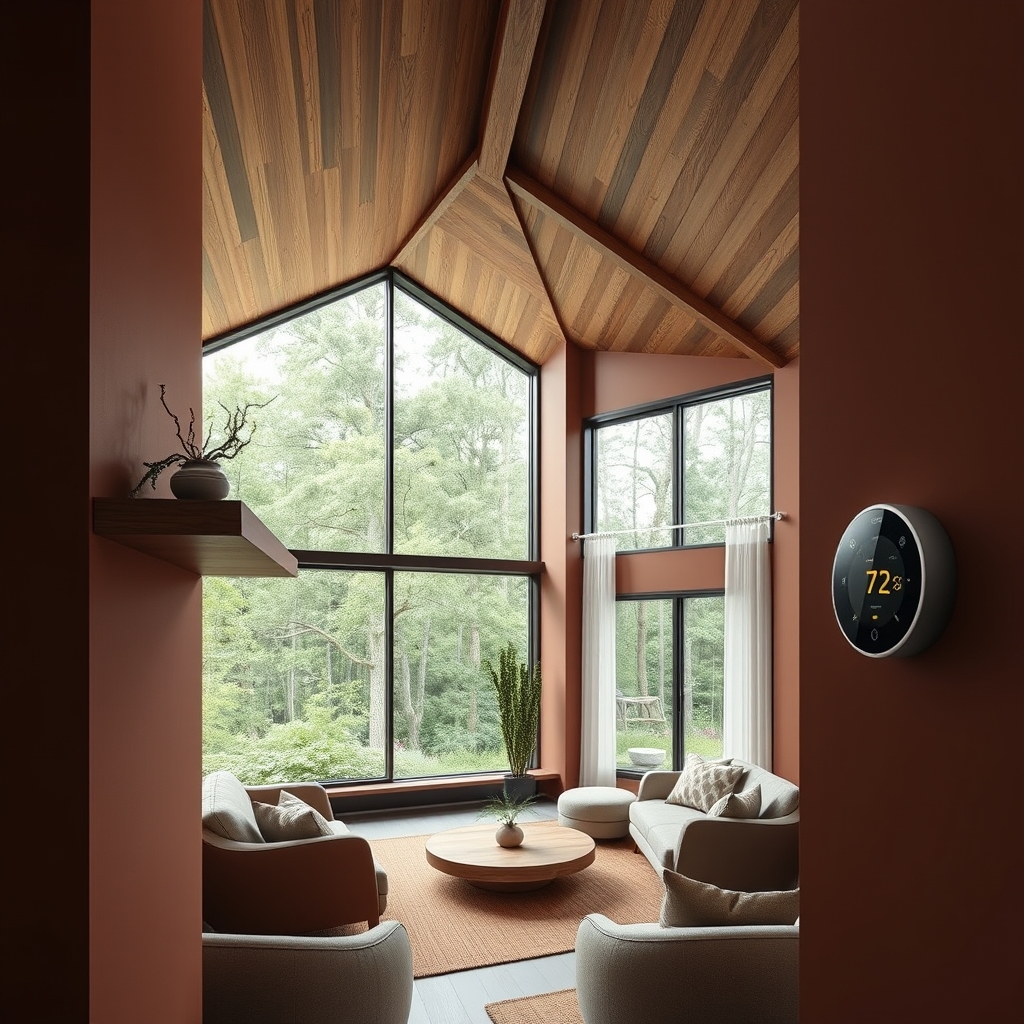
There’s a quiet revolution unfolding in the way we design our homes—one that blurs the lines between the built environment and the natural world. No longer are spaces merely static backdrops for daily life; they are becoming dynamic, responsive entities that evolve with our needs, moods, and even the rhythms of the planet. At the heart of this transformation lies a philosophy that treats the home as a living organism, where every material, hue, and technological integration serves a purpose beyond aesthetics. It’s a shift that demands we rethink not just how our homes look, but how they feel—how they nurture, adapt, and even heal.
The Pulse of Biophilic Design
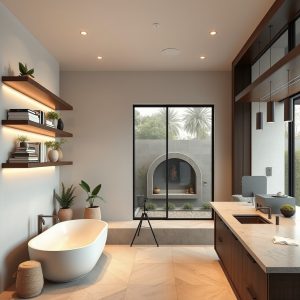
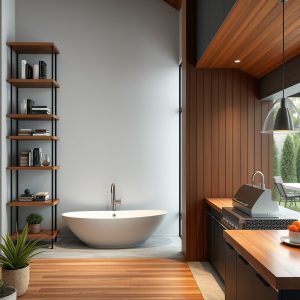
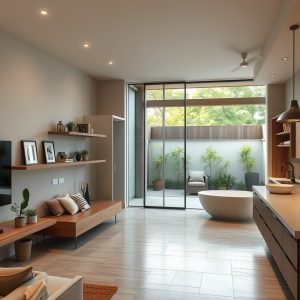
Biophilic design isn’t a new concept, but its interpretation in modern heritage spaces has taken on a deeper, more intentional dimension. It’s no longer enough to place a potted plant on a windowsill or hang a nature-inspired painting on the wall. Today, biophilia is about forging an emotional connection with the outdoors, one that permeates every surface, texture, and corner of a home. Wooden ceilings, for instance, don’t just add warmth—they evoke the canopy of a forest, their grain patterns telling stories of growth and resilience. Earthy palettes, drawn from the muted tones of clay, moss, and stone, ground us in the present moment, while large, unobstructed windows frame views of the sky, trees, or garden as if they were living artworks.
But the true magic of biophilic design lies in its ability to engage all the senses. The sound of water trickling from a hidden fountain, the scent of cedar or eucalyptus diffused through the air, the tactile pleasure of a handwoven wool throw—these elements work in harmony to create a multisensory experience that reduces stress and enhances well-being. In a world where digital overload is the norm, a home that reconnects us with the natural world isn’t just a luxury; it’s a necessity.
The Intelligence of Smart Thermostats: More Than Just Temperature Control
Smart thermostats have long been celebrated for their energy efficiency, but their role in modern heritage homes extends far beyond mere functionality. These devices are becoming the silent conductors of a home’s atmosphere, learning our habits, anticipating our needs, and adjusting the environment to suit our comfort—often before we even realize we need it. Imagine walking into a room where the temperature is always perfect, not because you’ve programmed it to be, but because the system has learned that you prefer it slightly cooler in the mornings or warmer in the evenings. It’s a level of personalization that transforms a house into a home in the truest sense.
Yet, the most compelling aspect of smart thermostats in modern heritage design is their ability to integrate seamlessly with other elements of the home. Paired with wooden ceilings and earthy palettes, they help regulate humidity levels to preserve the integrity of natural materials, ensuring that the wood doesn’t warp or the plaster doesn’t crack. They can even sync with smart lighting to mimic the natural progression of daylight, casting a soft glow in the morning that gradually intensifies, then dims as the sun sets. In this way, technology doesn’t just serve us—it collaborates with the design to create a space that feels alive.
The Alchemy of Earthy Palettes and Textured Surfaces
Colour has the power to shape our emotions, and in modern heritage homes, earthy palettes are the unsung heroes of tranquility. Shades of terracotta, olive green, warm taupe, and deep umber don’t just evoke the natural world—they embody it, creating a sense of stability and calm. But these hues are rarely used in isolation. Instead, they’re layered with textured surfaces—rough-hewn stone, hand-scraped wood, linen upholstery, or matte plaster—to add depth and dimension. The result is a space that feels rich and lived-in, yet effortlessly sophisticated.
One of the most striking trends in this realm is the use of colour drenching, where a single hue is applied across walls, ceilings, and even built-in furniture to create a cocooning effect. When paired with biophilic elements like wooden ceilings or indoor plants, the effect is immersive, as if the boundaries between indoors and outdoors have dissolved. It’s a bold choice, but one that pays off in spades, transforming a room into a sanctuary that feels both expansive and intimate.
Multi-Functional Rooms: The Art of Adaptive Living
The modern home must be as flexible as the lives we lead, and nowhere is this more evident than in the rise of multi-functional rooms. A home office that doubles as a guest bedroom, a kitchen island that transforms into a dining table, or a living room that seamlessly transitions into an entertainment space—these are no longer novelties but necessities. The key to making these spaces work lies in thoughtful zoning and clever storage solutions, like hidden pantries or floating shelves that keep clutter at bay without sacrificing style.
But adaptability isn’t just about functionality; it’s also about mood. A room that serves multiple purposes must also be able to shift its energy to match the occasion. This is where smart lighting, adjustable furniture, and even scent diffusion come into play. A workspace can be bathed in bright, cool light during the day, then softened with warm, dim lighting in the evening to create a cozy atmosphere for relaxation. The result is a home that doesn’t just accommodate our needs—it anticipates them.
The Future of Modern Heritage: A Home That Grows With You
The most compelling modern heritage homes are those that feel as though they’ve always been a part of your life, even if they were designed just yesterday. They achieve this by striking a delicate balance between timelessness and innovation, tradition and technology. A wooden ceiling might be a nod to craftsmanship of the past, but when paired with a smart thermostat, it becomes a symbol of the future—a future where homes are not just shelters, but partners in our daily lives.
As we continue to redefine what it means to live well, our homes will evolve alongside us, becoming more intuitive, more sustainable, and more deeply connected to the natural world. The materials we choose, the colours we surround ourselves with, and the technologies we integrate will all play a role in shaping spaces that don’t just reflect who we are, but who we aspire to be. In this way, the modern home is no longer a static structure—it’s a living, breathing entity that grows, adapts, and thrives right along with us.