The Art of Layered Living: How Modern Heritage Embraces Mixed Wood Tones, Textured Surfaces, and Smart Functionality
In the ever-evolving landscape of home design, the fusion of modern heritage with contemporary innovation has given rise to spaces that are not only visually striking but deeply functional. At the heart of this movement lies a celebration of natural materials, thoughtful layering, and intelligent technology—elements that together create environments that feel both timeless and cutting-edge. One of the most compelling ways this balance is achieved is through the strategic use of mixed wood tones, which add depth, warmth, and a sense of history to interiors.
The Beauty of Mixed Wood Tones
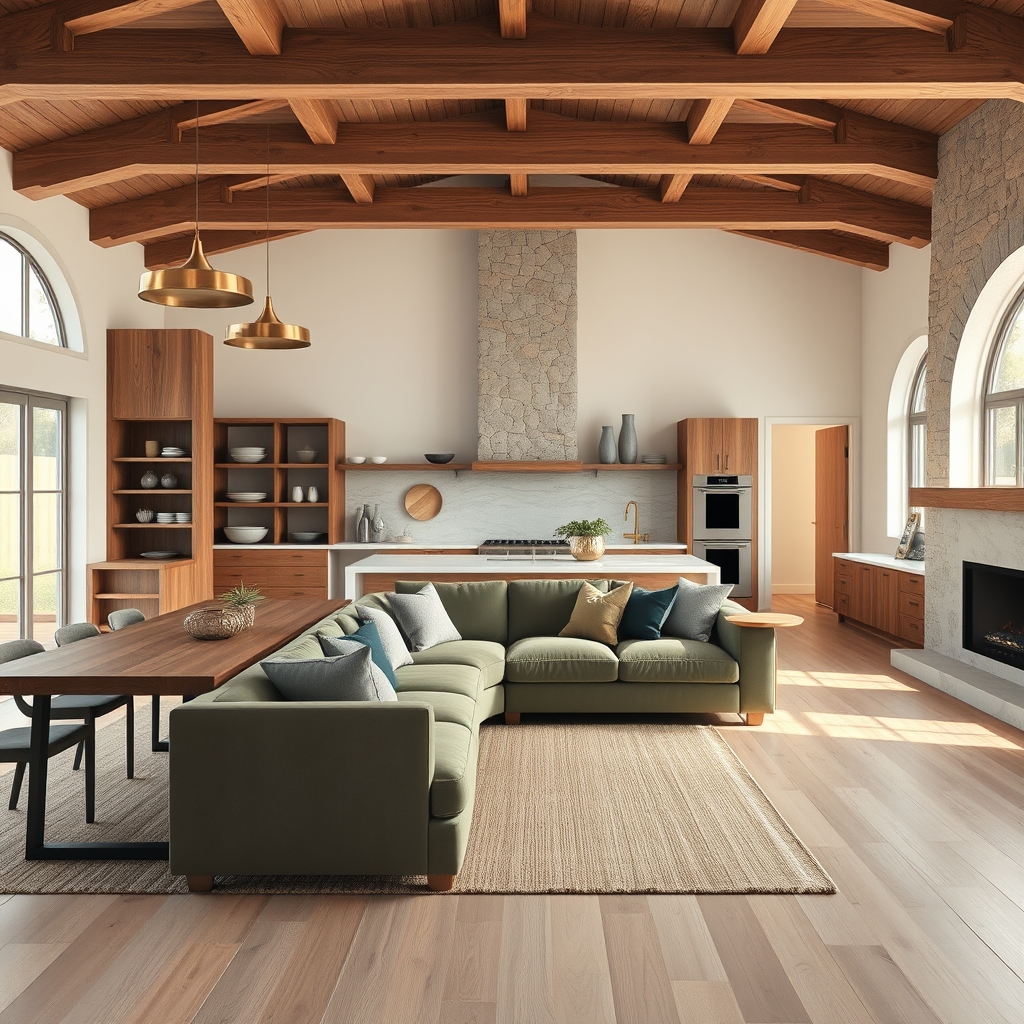
Gone are the days when uniformity reigned supreme in interior design. Today, the deliberate blending of different wood finishes—from light oak to rich walnut, weathered teak to warm cherry—has become a hallmark of modern heritage aesthetics. This approach not only pays homage to the craftsmanship of the past but also introduces a dynamic visual rhythm that keeps spaces from feeling static or overly curated. Mixed wood tones work particularly well in open-concept layouts, where they help define zones without the need for walls or partitions. A walnut dining table paired with lighter oak cabinetry, for instance, creates a natural hierarchy in a kitchen-dining area, subtly guiding the eye and reinforcing the flow of the space.
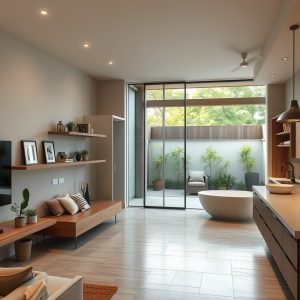
What makes this trend so enduring is its versatility. Whether in a rustic farmhouse or a sleek urban loft, mixed wood tones can adapt to any style, adding character and authenticity. The key lies in balance—pairing woods with complementary undertones (cool with cool, warm with warm) and varying the scale of their application. A single statement piece, like a reclaimed wood island or a live-edge console, can anchor a room, while smaller accents, such as floating shelves or picture frames, add layers of interest without overwhelming the space.
Textured Surfaces: The Tactile Dimension of Modern Heritage
In a world where digital interfaces dominate, there’s a growing appetite for interiors that engage the senses. Textured surfaces—whether through woven textiles, hand-scraped wood, or rough-hewn stone—bring a tactile richness to modern heritage spaces, inviting touch and fostering a deeper connection to the environment. This trend is rooted in biophilic design, which emphasizes the human need for nature-inspired elements. A linen-upholstered sofa, a jute rug, or a stone-clad fireplace not only adds visual weight but also creates a sensory experience that smooth, mass-produced materials often lack.
Textured surfaces also play a practical role in modern homes. In high-traffic areas like kitchens and bathrooms, materials like honed marble or brushed brass age gracefully, developing a patina that tells a story over time. This aligns perfectly with the modern heritage ethos, where imperfections are celebrated as part of a space’s evolution. Even in minimalist settings, textured surfaces prevent sterility, adding warmth and dimension. Consider a matte plaster wall paired with a glossy ceramic vase or a rough-hewn wooden beam juxtaposed against sleek metal light fixtures—these contrasts create a dialogue between old and new, rough and refined.
Smart Functionality: The Invisible Backbone of Modern Living
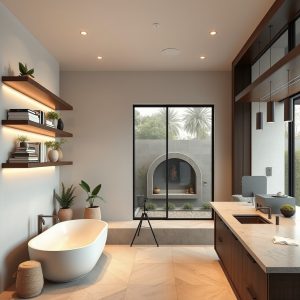
While aesthetics are a driving force in modern heritage design, functionality remains paramount. The integration of smart technology has revolutionized how we interact with our homes, making spaces more intuitive, efficient, and adaptable. Smart bidets, for example, have transcended their utilitarian origins to become a staple in spa-like bathrooms, offering customizable settings that elevate daily routines into moments of self-care. Similarly, smart thermostats and lighting systems allow homeowners to fine-tune their environments with ease, reducing energy consumption while enhancing comfort.
In the kitchen, hidden pantries and motorized cabinetry exemplify the marriage of form and function. These innovations maximize storage without compromising the clean lines of modern heritage design. A well-concealed pantry, for instance, can house appliances and dry goods behind seamless cabinet fronts, maintaining the room’s aesthetic integrity while improving organization. Meanwhile, floating shelves with integrated LED lighting provide both display space and ambient illumination, striking a balance between practicality and style.
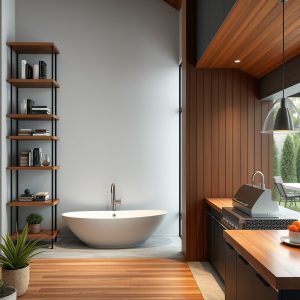
Outdoor kitchens represent another frontier in smart functionality, blurring the boundaries between indoor and outdoor living. Equipped with weather-resistant cabinetry, built-in grills, and refrigeration, these spaces extend the home’s footprint, creating seamless transitions for entertaining and relaxation. When paired with sustainable materials like reclaimed wood or recycled composite decking, outdoor kitchens embody the principles of modern heritage—durability, beauty, and environmental consciousness.
Curved Furniture and Earthy Palettes: Softening the Modern Edge
As modern heritage continues to evolve, so too does its approach to form and color. Curved furniture, with its organic shapes and fluid lines, has emerged as a counterpoint to the rigid geometries of traditional modernism. Sofas with rounded edges, arched doorways, and oval dining tables introduce a sense of movement and softness, making spaces feel more inviting and human-centric. This trend is particularly effective in multi-functional rooms, where flexibility is key. A curved sectional, for example, can define a living area within an open-concept space, while its shape encourages conversation and connection.
Complementing these softer forms are earthy palettes—muted greens, warm terracottas, deep ochres, and sandy beiges—that ground interiors in nature. These colors evoke a sense of calm and stability, making them ideal for creating serene sanctuaries. When layered with mixed wood tones and textured surfaces, earthy palettes enhance the tactile quality of a space, reinforcing its connection to the natural world. A sage-green velvet sofa paired with a walnut coffee table and a jute rug, for instance, creates a harmonious composition that feels both modern and timeless.
Designing a home that embraces modern heritage is about more than following trends—it’s about crafting a narrative that reflects personal values and lifestyle. By blending mixed wood tones, textured surfaces, and smart functionality, spaces become more than just beautiful; they become deeply lived-in and meaningful. The magic lies in the details: the way light filters through a wooden ceiling, the warmth of aged metals against cool stone, the quiet efficiency of a hidden pantry. These elements come together to create homes that are not only stylish but soulful, where every piece tells a story and every corner invites you to stay awhile.